That iconic opening line from the TV series Star Trek has long been a part of public discourse around outer space. Space has felt distant, like science fiction—but at this moment, outer space feels less like the final frontier and more like the very next neighborhood under development.
Our use of outer space has blossomed over the past decade, as have humanity’s ambitions for future use. Commercial spaceflight and space tourism are no longer fantasies: a Blue Origin launch in April 2025 sent six prominent women into space, sending back memorable images of celebrities in orbit.
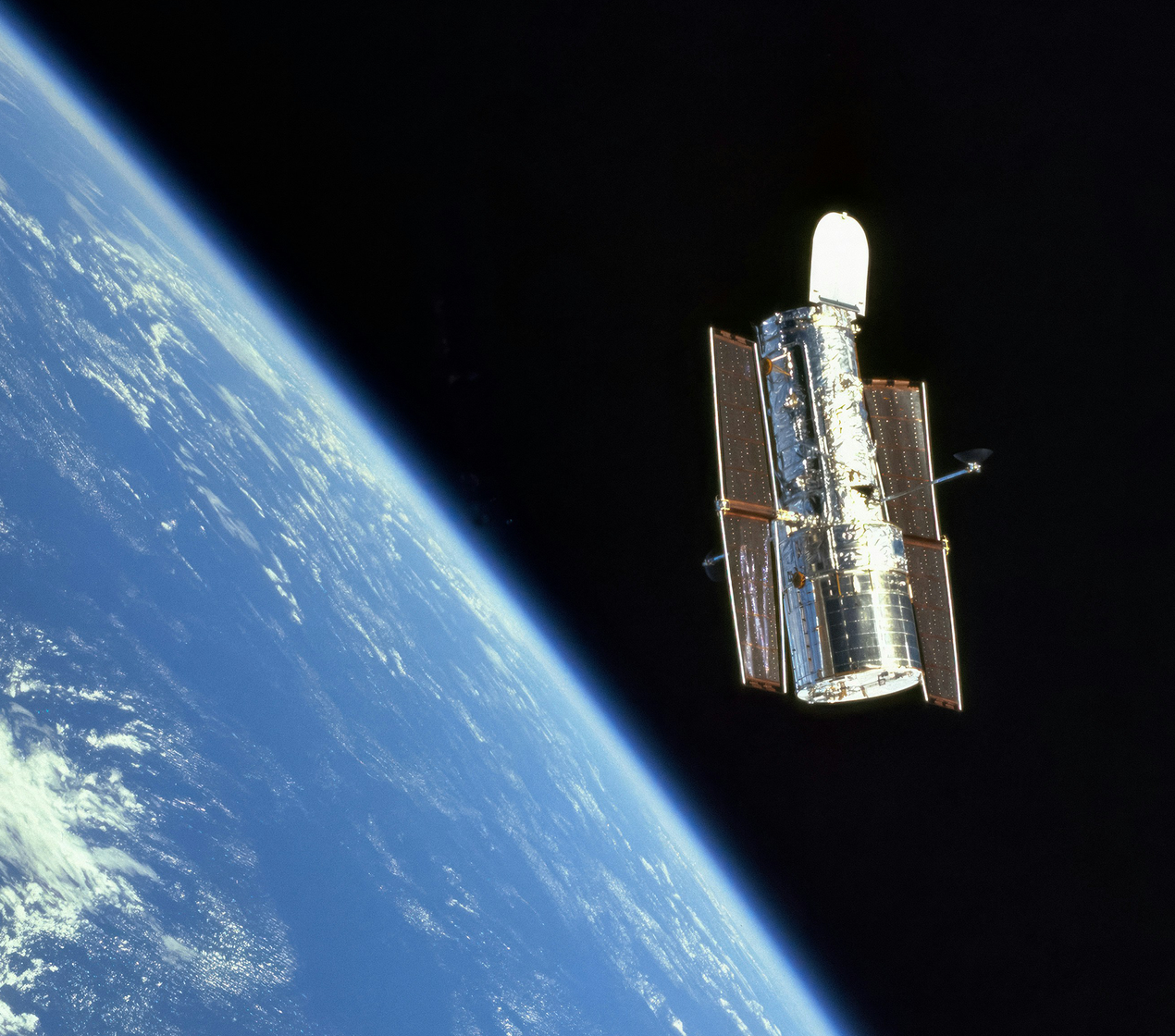
Perhaps nothing illustrates our growing use of space more than the proliferation of satellites in low Earth orbit (LEO). An estimated 7,600 satellites occupied LEO in 2023; by 2032, that number is expected to increase nearly sixfold. As the low-orbit “ecosystem” becomes increasingly crowded, however, it has begun to experience a range of challenges faced by other common resources, including the potential for overuse and mismanagement due to its open access and limited regulatory oversight.
The proliferation of satellites, space debris, and commercial activity in LEO mirrors the “tragedy of the commons” dynamic: each actor benefits individually from launching new objects into orbit, but collectively these actions degrade the orbital environment, increasing the risk of collisions and long-term debris accumulation. As with overfished oceans or polluted air, no single entity has exclusive control over LEO, leading to incentives for short-term overuse rather than long-term stewardship. With the overuse of LEO, we also degrade our ability to collect and utilize valuable remotely sensed information for the benefit of all.
The field of natural resource economics can help us responsibly manage orbital resources. Economists have already conducted work on the valuation of geostationary orbital slots, the use of auctions for radio spectrum allocation, the benefits of private-sector involvement in developing space technology, and the design of policies to stimulate those technological innovations. These insights become even more valuable as the number of space stakeholders and competing uses of orbital resources continue to grow.

Credit: imaginima / Getty Images
The champion for these areas of study within Resources for the Future (RFF) was longtime Senior Fellow and Vice President for Research Molly Macauley, who worked tirelessly to promote the potential contributions of economics toward space-related programs and policies. In fact, as former RFF Senior Fellow Mike Toman described to me, “Molly loved economics, and she loved space economics because so many of the relevant economic ideas were similar to arguments in resource and environmental economics (hence her interest in coming to RFF).”
Molly loved economics; she also loved RFF—and it’s hard to describe the blow to the institution that came on July 9, 2016, when we learned that Molly had been killed the night before by an unknown assailant while walking her dogs. To this day, the perpetrator of this horrific crime has not been identified.
Some moments jump out of the texture of our lives, and learning about Molly’s death was one of those moments for me.
It would be easy to let the abruptness and brutality of Molly’s death overshadow her life; Google search results about her overemphasize the tragic aspect. But if there’s anything I believe, it’s that we have power over the narratives of our lives: not always the events, of course, but at least the meaning and story we draw from them. And this year, 10 years after her death, RFF is playing a part in ensuring that Molly’s story continues beyond July 8, 2016.
This summer, we’re honoring Molly’s legacy by hosting a unique workshop on space economics. Over two days, RFF will bring together representatives from academia, business, civil society, and government to exchange information about the current state of research and establish a forward-looking space economics research agenda. We hope and anticipate that this workshop can help expand the community of resource economists working on the issues to which Molly dedicated her professional life—issues which have only grown in importance in the last decade.
A version of this article appeared in print in the Spring/Summer 2026 issue of Resources magazine.