If wildfire management is consolidated under the US Wildland Fire Service, Then the federal government will risk undermining integrated fire risk management, creating negative consequences for both fire response and land-management activities.
In June 2025, the Trump administration outlined in an executive order its plans to consolidate federal wildland fire programs into a new agency, the US Wildland Fire Service, housed within the US Department of the Interior. In early 2026, the Department of the Interior took initial steps toward making this vision a reality as it moved its wildland firefighting personnel—previously spread across Bureau of Land Management, National Park Service, US Fish and Wildlife Service, and the Bureau of Indian Affairs—into this new agency.
The US Forest Service, which is part of the US Department of Agriculture and responsible for 70 percent of federal firefighting costs, continues to maintain the federal government’s largest firefighting force. While the Trump administration has signaled that it would like to move Forest Service firefighters to the Wildland Fire Service, the change has yet to gain necessary support in Congress.
The Wildland Fire Service aims to replace a complex interagency system that has evolved to coordinate fire response among multiple federal agencies, as well as among federal, state, and Tribal governments. This interagency system encompasses common incident-management protocols, shared training standards, and resource-sharing agreements that allow firefighting crews and aircraft to work across jurisdictions as needed.
The coordination required by the interagency system could theoretically be simplified by uniting fire management within one agency. However, counterintuitively, such a move would have serious downsides. If wildfire management is consolidated under the Wildland Fire Service, the federal government will risk undermining integrated fire-risk management, creating negative consequences for both fire response and land-management activities.
How Federal Fire Management Has Worked
After the federal government established land-management agencies in the early twentieth century, each agency developed a fire-management program, often with specific priorities consistent with its mission and the features of the land the agency managed. For example, the Fish and Wildlife Service focuses on conserving wildlife habitat, and the Bureau of Indian Affairs focuses on protecting historic sites and (in modern times) supporting Tribal land stewardship. Agency approaches to fire have changed over time as agency mandates have evolved and as the understanding of fire’s ecological role has grown.
Credit: DBrownPhotos / Shutterstock
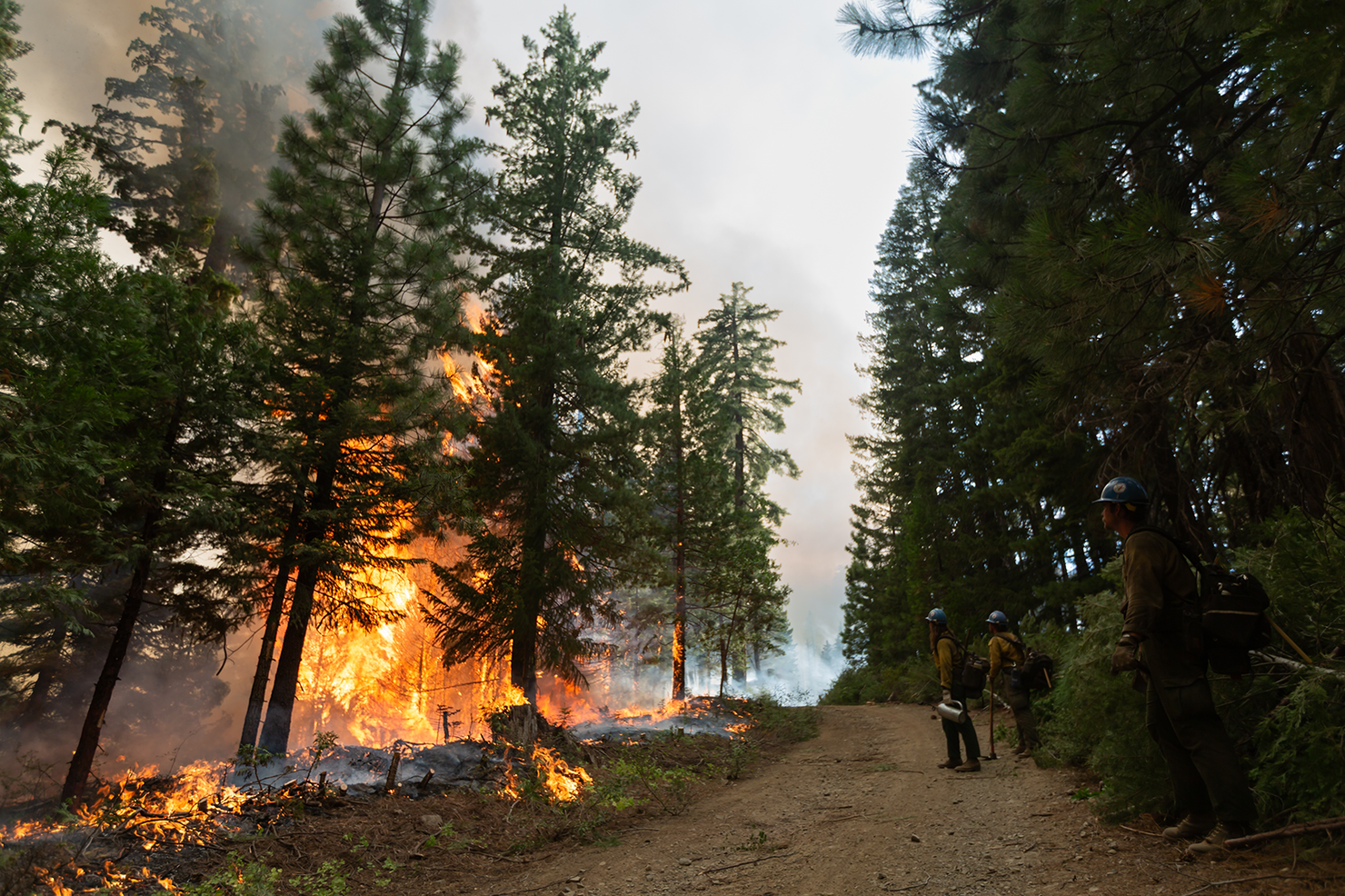
Within this fire-management landscape, a system for pooling resources to reduce costs evolved over time across federal, state, Tribal, and local jurisdictions. In 1965, several agencies collaborated to form the Boise Interagency Fire Center (eventually renamed the National Interagency Fire Center). This center has maintained a system of regional hubs to marshal resources from federal and nonfederal partners where they are needed most at any given moment. While there are differences in the ways that jurisdiction approach fire—and each fire’s incident commander generally represents the jurisdiction with primary responsibility for it—sharing personnel, aircraft, and other equipment has allowed individual agencies to maintain fewer permanent firefighting resources than they otherwise would. Wildland firefighters from various agencies regularly have worked together not only to suppress fires, but also to conduct hazardous fuels treatments, integrated fire and land use planning, and other proactive strategies to keep people and infrastructure out of harm’s way.
The Case for Unifying Federal Fire Management
A system under which each federal agency is responsible for fire management on its own lands, but shares resources, does come with some administrative inefficiencies. The Trump administration points to a need for efficient and streamlined systems of wildfire management in its rationale for creating the Wildland Fire Service, specifically citing the disconnect between federal coordination with state and local officials during the 2025 wildfires around Los Angeles.
It’s true that the movement of resources within a unified fire-management agency could involve fewer frictions than the movement of resources across agencies through the National Interagency Fire Center. The Wildland Fire Service also could obviate the need for the complex system by which agencies compensate one another for resources shared during a fire.
Housing federal fire management (including fire management on Forest Service lands) under one roof also could in theory make it easier for local and Tribal fire-response organizations to participate in resource sharing and coordinated fire response. In many cases, municipal and Tribal fire departments are left out of—or at least have difficulty navigating—the complex system of agreements, contracts, and reimbursement arrangements that are at the center of the nation’s integrated wildfire management system. However, the creation of a unified system would not altogether negate the need for coordination, as nonfederal jurisdictions would remain outside the Wildland Fire Service.
Divided Incentives, Diminished Coordination
Beyond the transaction costs of reorganizing fire management, there is a more profound price to pay by divorcing wildfire management from land-management and fuels-management functions.
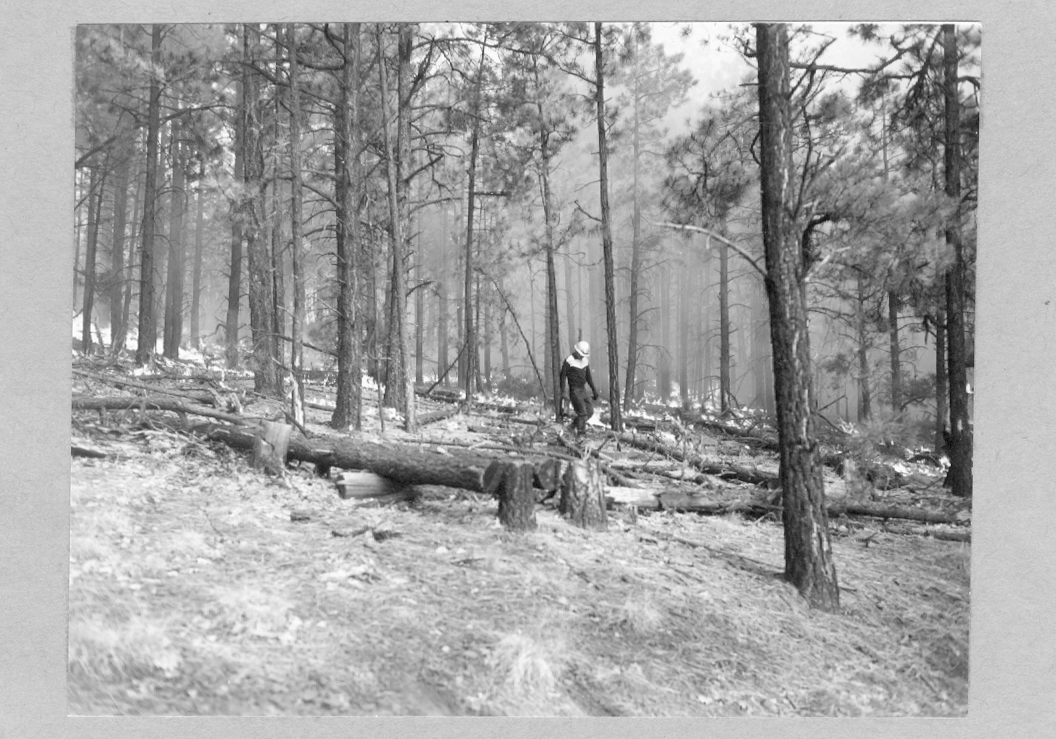
First, fire-response decisions are land-management decisions. Different agencies may make different fire-management decisions depending on their land-management goals. For example, whereas the Bureau of Indian Affairs might choose to suppress a fire aggressively to preserve Tribal timber resources, the National Park Service might allow a lower-intensity fire to burn for ecological benefits. In other situations, letting low-intensity fires burn could provide fuel-management benefits, reducing the need for suppression in the future. The Wildland Fire Service presumably will have little incentive—and likely no authority—to manage for agency-specific, holistic land-management goals other than fire suppression, including essential fire-hazard mitigation. Indeed, Doug Burgum, Secretary of the Department of the Interior, said the Wildland Fire Service will apply a full suppression strategy to all wildfires managed by the department. The Wildland Fire Service thus will represent a step backward for fire policy in the United States—toward the zero-tolerance policies of the early twentieth century, and away from recent policy shifts that have attempted to acknowledge the essential (and unavoidable) ecological role of fire.
US Department of Agriculture Forest Service, Coconino National Forest, Arizona, 1959
There are also likely to be consequences for fuels management. Executive Order 14308, which declares the Trump administration’s intent to consolidate federal fire programs, does not offer many details about precisely which responsibilities the consolidated program would likely absorb. However, the Department of the Interior’s initial iteration of the Wildland Fire Service is set to take on all wildland-fire programs under its jurisdiction, including fuels management. The problems with moving fuels management into a wildfire-specific agency, separate from other land-management mandates, are similar to problems with separating wildfire response from land-management agencies.
Fuels management, in addition to having implications for wildfire hazard, may have ecological, economic, or cultural impacts, and needs to be deployed within a broader portfolio of management activities. Land-management agencies are equipped to balance fire-management objectives with these various goals, whereas a federal wildfire agency likely would be single-mindedly focused on fire hazards.
However, leaving fuels management with existing land-management agencies, while transferring wildfire response to the Wildland Fire Service, would have other drawbacks. Under the old system, agencies bore at least some of the cost of fire suppression on their lands, creating fiscal pressure to reduce fire risk through fuels management. If suppression becomes the Wildland Fire Service’s problem, land-management agencies could defer fuels work while avoiding some of the consequences of not taking action—a classic externality problem.
Missing the Mark
The creation of the Wildland Fire Service will likely, though ironically, introduce inefficiencies into a system it intends to streamline. By separating incentives for land management from wildfire response, the unification of wildfire-management activities by the Department of the Interior (and potentially the Forest Service) under a new firefighting service will hobble the missions of both land-management agencies and the unified firefighting force. Without a role in fire response, land-management agencies don’t receive the benefits of fuel-reduction efforts, and fire itself, to shape land-management decisions.
Yes, inefficiencies already exist in the interagency system of wildfire suppression and prevention that has prevailed for decades. However, that system also has, by and large, worked well to solve the problem it was designed to solve: the sharing of fire-management resources across jurisdictions. Regardless of whether the new federal Wildland Fire Service is successful in absorbing fire-management responsibilities of the Forest Service, coordination still will need to happen among federal, state, Tribal, and local fire managers.
The central problems in federal wildfire management over recent decades have been the overreliance on aggressive fire suppression and chronic underinvestment in fuels management.
More than coordination failures among agencies, the central problems in federal wildfire management over recent decades have been the overreliance on aggressive fire suppression and chronic underinvestment in fuels management. But the proposed change to federal fire management would make these problems worse. A successful strategy for fire risk reduction requires both proactive and reactive plans to work in tandem under the auspices of the same overarching goal. The existing interagency system acknowledges that fuels management, societal benefits, and fire response are intrinsically tied together and need to be managed in concert. Separating these missions ultimately would come at the expense of communities and ecosystems that land-management agencies, and a unified firefighting force, aim to protect.

For more timely insights about developments in environmental and energy policy, browse the If/Then series.
A version of this article appeared in print in the Fall 2026 issue of Resources magazine.