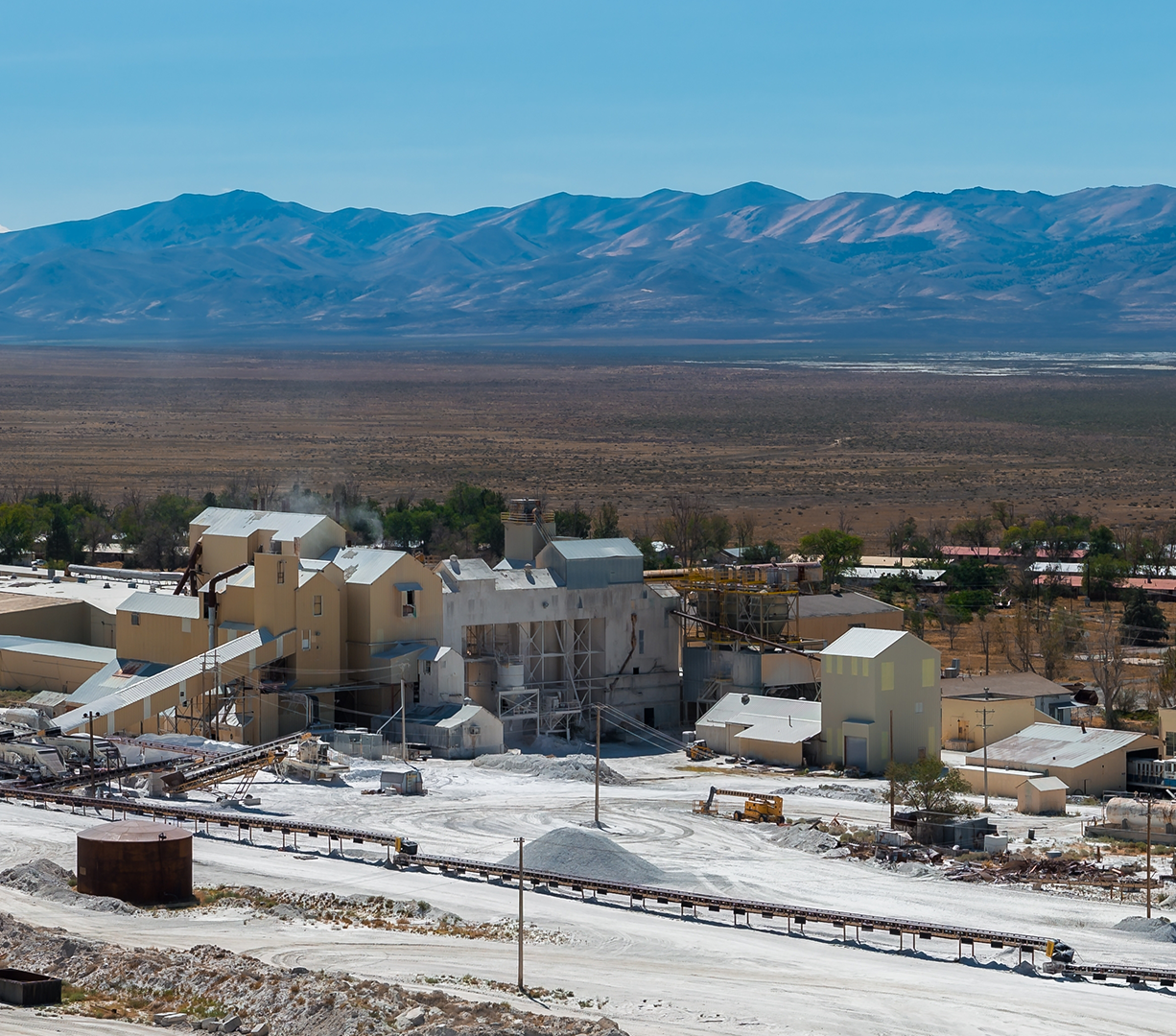
Research from Resources for the Future and other organizations shows that community engagement is a vital part of a mining project’s success.
Over the past few years, we have seen headlines about organized community pushback against infrastructure projects like data centers, battery farms, and oil pipelines. As policymakers on Capitol Hill and beyond look for ways to speed up project timelines, community concerns like these are all but impossible to ignore. Some voices, though, from editorial boards to researchers to policymakers, argue that public engagement slows down timelines and balloons project costs.
While I agree with the calls for permitting reform, this line of thinking makes a fundamental error that is all too common in permitting debates: it views community engagement as a cost to be minimized rather than a condition for success.
My colleagues at Resources for the Future and I have been studying exactly this tension as it pertains to mining projects around the world, and the evidence from our recent report is very clear. Skipping engagement doesn’t reduce costs or compress timelines. It produces conflict, litigation, and delay.
Our findings about the importance of community engagement are consistent beyond our own work. Many of the most-cited examples of permitting delays in the United States, including Pebble Mine in Alaska, Twin Metals in northern Minnesota, and Resolution Copper in Arizona, stalled because of staunch local opposition, not bureaucratic dithering. A 2023 analysis found that delays supposedly caused by “permitting issues” for mining projects actually were caused by stakeholder opposition or environmental concerns in 62 percent of the cases, not agency review. S&P Global, one of the leading mining industry data providers, concluded that “inadequate engagement with local communities can result in a loss of ‘license to operate,’ both literally and figuratively, hindering companies’ ability to develop and extract resources.” A seminal 2014 paper in the academic journal Proceedings of the National Academy of Sciences put a price on inadequate engagement: world-class projects with $3 billion to $5 billion in capital expenditure lose roughly $20 million per week when community conflict drives delays. Forthcoming work by Jamie Pleune at the University of Utah also finds an inverse relationship between time spent on environmental review and the likelihood of litigation, meaning more engagement up front means less conflict later.
In short, projects that earn community support are more likely to get built, and to get built faster.
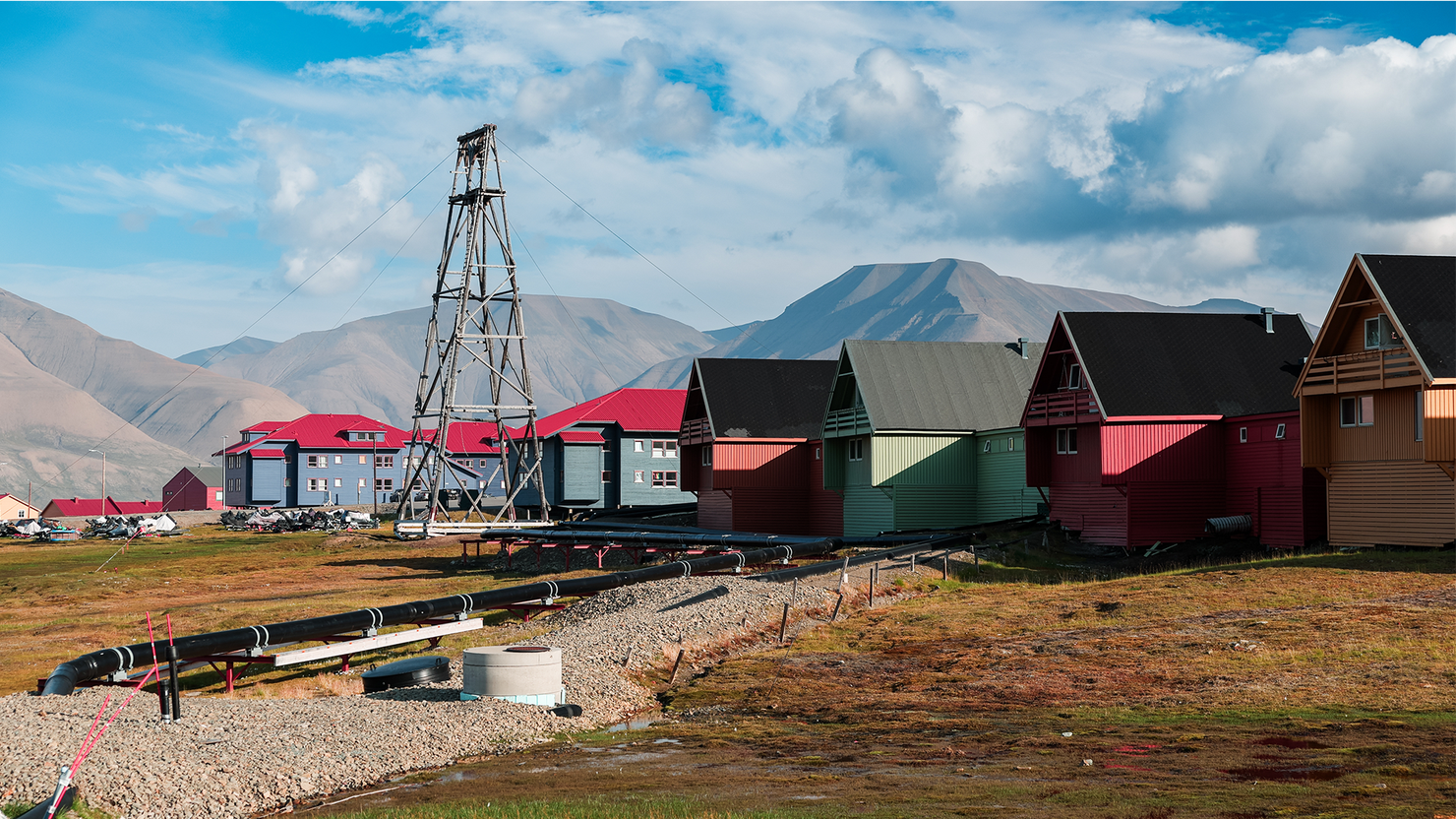
Credit: Dave Primov / Shutterstock
An important issue here is that when communities are engaged, improved local environmental and social outcomes are more likely to emerge compared to when companies make decisions without local input.
One clear example of demonstrably improved outcomes with community engagement is the legally binding Good Neighbor Agreement between the owners of the Sibanye-Stillwater mine (a platinum and palladium hardrock mining operation in Montana) and local community organizations. This agreement creates a framework of environmental protection with citizen oversight; for example, the framework requires that the company monitor water quality and, if certain pollution levels are exceeded, the company must have a remediation plan approved by a community oversight committee. For the 20-plus years in which the company has operated in the area, they have experienced no arbitration or environmental litigation, nor challenges to the mining operations, and the mine has operated in a sustainable fashion. The uninterrupted operations demonstrate how, by working with communities, mining companies can create approaches that support not just the local economy, but also the environment.
Furthermore, despite the claim that US mining is “borderline uninvestible,” investors are still exploring domestically, and at near-record levels. According to S&P Global, US exploration budgets peaked at $1.65 billion in 2024. While other parts of the world increased investments in 2025, in the same year in the United States, investment levels dropped to $1.46 billion. Yet, the United States was still the country with the third-largest investment budget in the world, demonstrating that existing US regulations are not necessarily a deterrent to investment. Meanwhile, the Fraser Institute’s most recent survey ranked Nevada as the most attractive jurisdiction for mining investment in the world, with Arizona fifth; notably, the survey is designed to capture expert opinions regarding investment barriers and includes various questions related to policies and regulations in each of the surveyed jurisdictions.
Given the apparently strong interest in ramping up domestic mining projects, the question we should be asking is how we can do this sustainably and cost-effectively.
Short-circuiting community engagement doesn’t get us closer to energy security. It means more stalled projects, more courtroom fights, and more communities with more reasons to say no.
Fortunately, these two objectives are not necessarily in opposition to each other, as demonstrated in new research by RMI. For example, community engagement is a key part of the Initiative for Responsible Mining Assurance (IRMA) standards, widely recognized as the most stringent voluntary sustainable mining standards in the world. The cost of meeting all the requirements within IRMA standards (including the community-engagement piece) can be as low as 0.4 percent of a project’s up-front capital expenditure, according to the RMI report. Importantly, the RMI report stresses the economic benefits associated with meeting these sustainability measures—a frequently overlooked aspect of engaging in sustainability measures. It is notably more difficult and expensive to improve the sustainability of legacy mining sites than new sites; given that much of the United States’ domestic investments will be built from the ground up, we have an opportunity to make these investments in a sustainable manner, and benefit from the cost savings associated with sustainability measures.
The urgency around critical minerals for the energy transition is real. But a serious strategy treats public engagement and shared benefits as catalysts for obtaining those minerals, not obstacles. Short-circuiting community engagement doesn’t get us closer to energy security. It means more stalled projects, more courtroom fights, and more communities with more reasons to say no. It also will likely lead us to a less sustainable future—both for the environment and society.