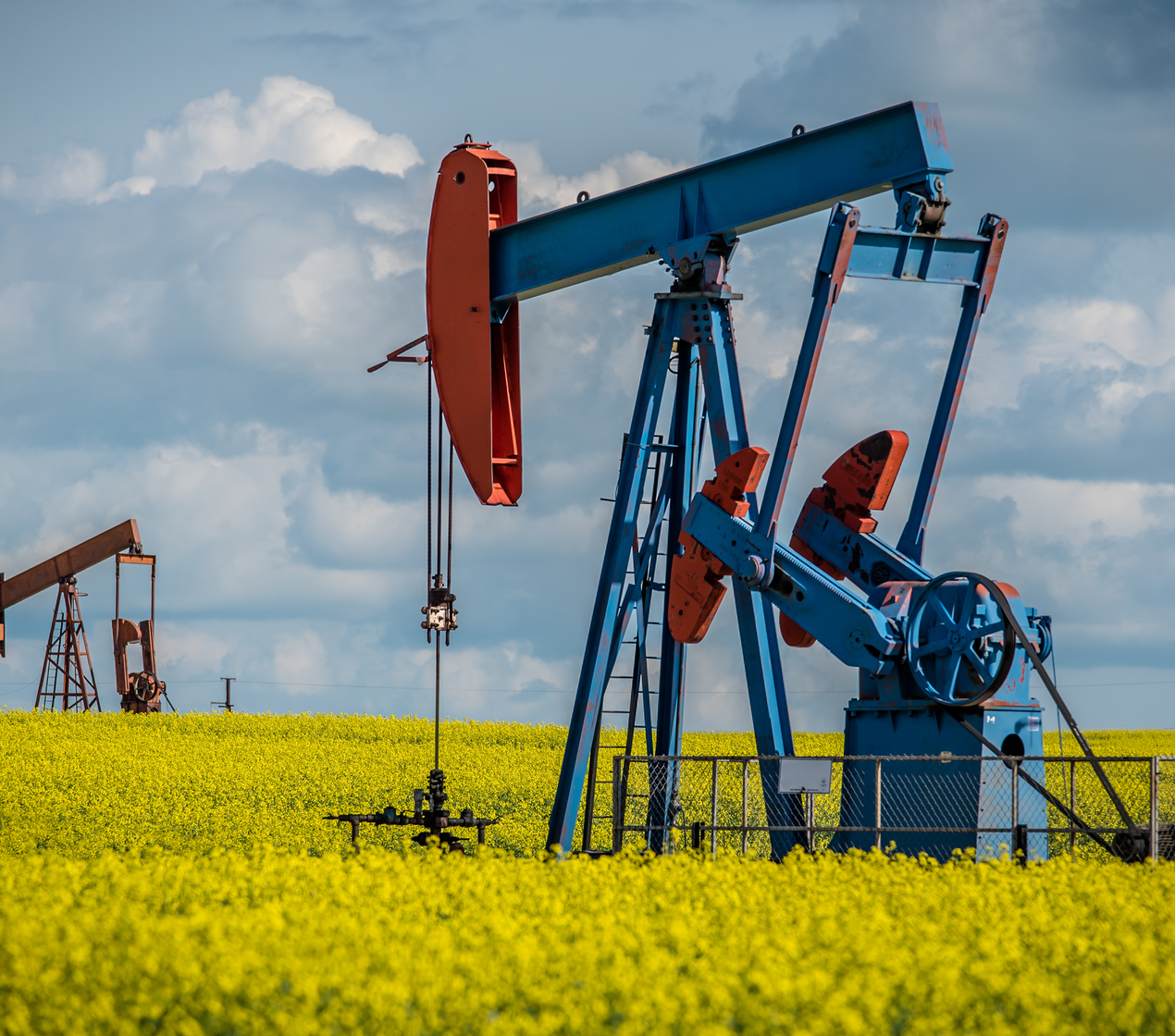
The world is struggling to reduce greenhouse gas emissions in line with Paris Agreement goals. This blog post outlines some of the big-picture challenges associated with these emissions-reduction goals and points toward directions of progress.
It’s time (perhaps past time) to state the obvious: global average temperatures will surpass 1.5°C above pre-industrial levels in the coming years. In recent months, a slew of reports and papers from respected organizations have highlighted the implausibility of achieving the 2015 Paris Agreement’s “stretch goal” of limiting temperature rise to 1.5°C by 2100, while noting a 2°C limit remains possible, if challenging.
Among scientists, energy nerds, and climate policy wonks, this update is not a surprise. The world has been off track to achieve the 1.5°C target for years, and bending the emissions curve downward sharply enough to hit that milestone on time would have required unprecedented (and, in many cases, politically and economically unrealistic) changes to the United States and rest of the global economy.
To be clear, blowing past 1.5°C is not a good thing. Each additional increment of warming imposes new costs to society, in many cases exposing the world’s poorest (and lowest-emitting) people to the greatest risks. And each additional increment of warming poses new risks, like making it more likely that ice-sheet collapse raises global sea levels by dozens of feet in the centuries to come.
At the same time, dramatically reducing emissions is—and will continue to be—hard. Although some “low-hanging fruit” for emissions reductions can be achieved at very low economic and political cost, there are real trade-offs and challenges that policymakers will need to grapple with in the years and decades ahead. Many of these challenges and trade-offs revolve around the makeup of our energy system. Fossil fuels are responsible for almost 90 percent of the carbon dioxide emissions that drive global temperature rise, and keeping climate impacts in check will require a drastic change in our relationship with coal, oil, and gas. Here, I’ll lay out some of those challenges and begin pointing toward directions of progress.
Rising Energy Demand
In 2018, I published a short piece with Resources for the Future’s then-CEO Richard G. Newell. We described how, at a global level, the world has never experienced an energy “transition,” only a series of “additions” through which new energy sources like nuclear, wind, and solar build upon existing energy sources like biomass, coal, and oil. This framing of global energy history has since become commonplace among leading energy experts, and has been articulated as a policy goal by federal officials like US Secretary of the Interior Doug Burgum and US Energy Secretary Chris Wright.
But endless energy “additions” are neither inevitable nor desirable. In some high-income parts of the world, particularly Europe and the United States, real energy transitions are evident as a combination of policy and market forces push coal out of the market. In a smaller subset of nations, a slow transition away from oil may be underway as electric vehicles become increasingly popular. These transitions not only reduce greenhouse gas emissions, but also local air pollution, providing tremendous public health benefits.
In other parts of the world, particularly low-income regions where billions of people lack reliable access to modern energy services, energy additions are indeed a worthy goal. If a power plant that runs on natural gas or coal is the most effective way to provide reliable electricity services to households, businesses, and industrial facilities that can help build a modern economy and raise living standards for an entire nation, a singular focus on greenhouse gas emissions raises a variety of political and ethical problems.
Here in the United States, surging electricity demand from data centers and other economic sectors is complicating the long-standing narrative that coal is in terminal decline. Recent announcements from utilities extending the lives of certain coal plants, coupled with interest in building new coal-fired electricity generation, signal that we are entering a new era for the power sector. In this new era, we will need innovative approaches to meet growing demand, limit load growth, and further reduce power-sector emissions all while keeping electricity affordable for consumers.
Threading those needles will require a combination of policy and technological innovation that in turn presents genuine challenges and opportunities. Some emerging technologies, like enhanced geothermal systems, new nuclear energy technologies, next-generation batteries, and carbon capture are ripe to flourish under these conditions. But federal and state governments will need to develop policies that encourage innovation and set clear “rules of the road” to govern deployment.
Geopolitics
Abundant oil and gas have provided the United States with a variety of geopolitical benefits. Looking back to the twentieth century, Daniel Yergin’s classic book The Prize narrates how the United States’ abundant oil supplies helped the Allies win the Second World War. More recently, resurgent US oil and gas made it easier to sanction Iran during the 2010s and helped to support traditional European allies following Russia’s invasion of Ukraine in 2022.
Despite these benefits, continued reliance on oil and gas presents two major geopolitical risks. First, US energy consumers remain subject to the whims of global oil markets, regardless of how much oil is produced in the United States. Today, the market is well supplied, and consumers face relatively low prices. But oil markets are unpredictable. The United States’ continued reliance on oil products to fuel our cars, trucks, airplanes, and more leaves us exposed to the volatility that has characterized the oil market since its inception.
Second, the recent surge in US oil and gas exports has deepened the dependence of the US oil and gas sector on global demand for those fuels. Far from being energy “independent,” domestic oil and gas producers depend more than ever on demand from overseas (especially for gas). Although the future of global oil and gas demand is a matter of considerable uncertainty and debate, efforts to reduce emissions in Europe, Asia, and elsewhere will create new economic risks for the increasingly export-dependent US energy sector.
Credit: ultramansk / Shutterstock
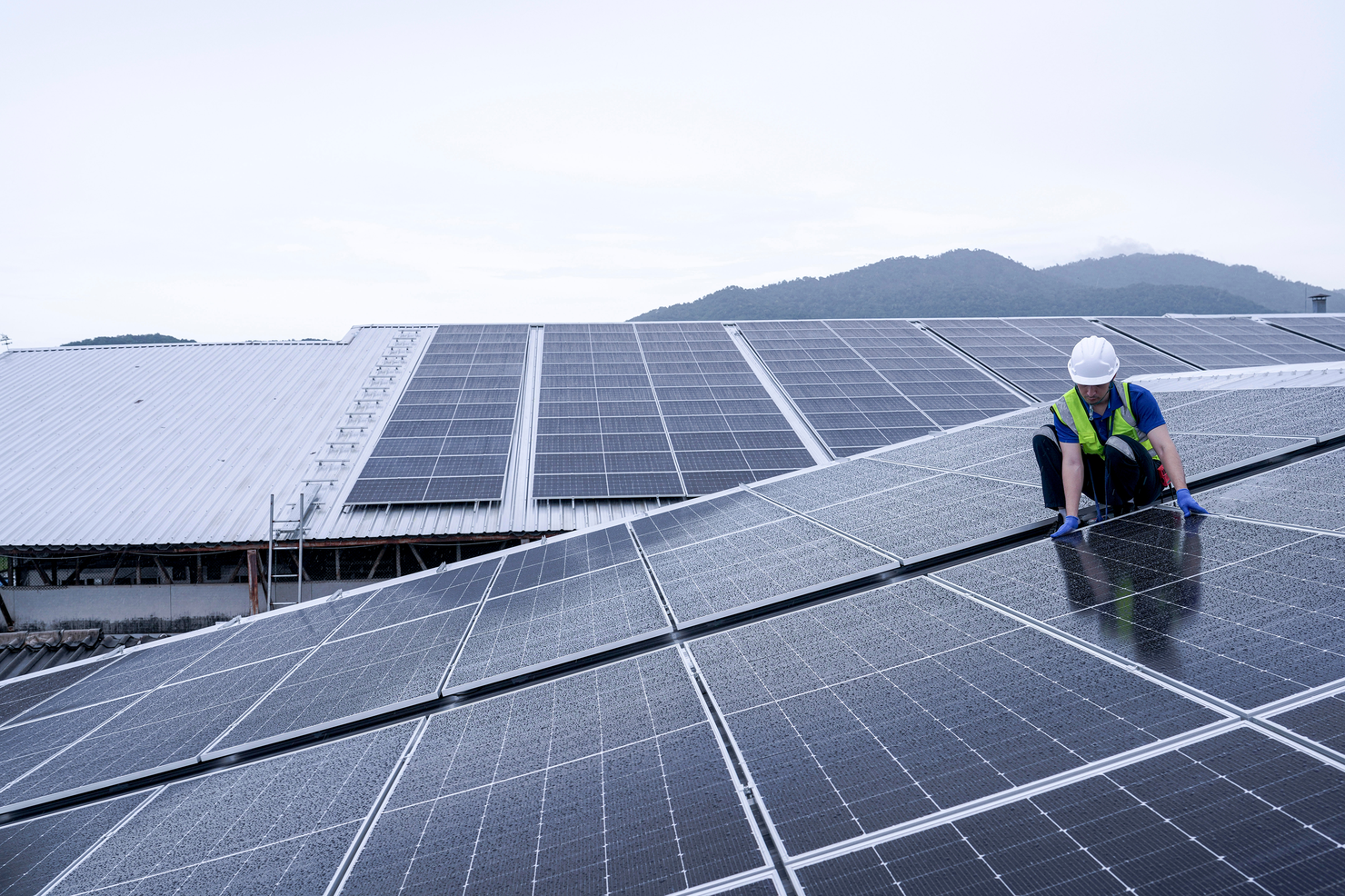
When it comes to low-emissions technologies, the United States is in a very different position; global supply chains for critical minerals, solar photovoltaics, and other technologies essential for deep emissions reductions are in most cases dominated by China.
These facts have not been lost on policymakers. One of the few aspects of energy policy agreement between the Biden and Trump administrations has been the need to boost domestic supply chains for critical minerals and reduce the United States’ dependence on Chinese imports. But building these supply chains across the United States and with allied nations won’t happen overnight. Consistent and robust support for these industries will be needed for decades if the United States wants to substantially reduce the geopolitical and economic risks that come from exposure to Chinese imports.
Limiting domestic exposure to geopolitical risk therefore requires a recognition of the important role that oil and gas play today, while planning for a future in which new commodities like critical minerals take a central role in the strategic competition among nations.
Domestic Politics
Unfortunately for climate hawks, environmental issues are not a top priority for US voters. According to polling from the Pew Research Center, climate change ranks near the bottom of the priority list, while affordability has gained prominence due to stubbornly high inflation. Responding to this reality, Democratic officials have recently signaled a new approach by making it easier to produce oil in California, bring more natural gas to New York, and abandon Pennsylvania’s participation in the Regional Greenhouse Gas Initiative. Clearly, energy affordability has become the top priority for these officials, even if it means angering parts of their political bases.
Looking forward, how can affordability and emissions reductions go hand in hand? A variety of policy tools can help make this possible. Under the Inflation Reduction Act, Congress aimed to boost renewables while keeping energy bills in check through federal subsidies of wind, solar, electric vehicles, and other low-emissions technologies. Many of these subsidies are expiring or phasing down, leading to decreasing US investment in renewables. Reinstating these subsidies in the years ahead will pose challenges not only for political reasons, but also because of the United States’ mounting debt, which now eats up more federal dollars each year than all military spending.
Policymakers have a variety of options to reduce emissions and costs. They can embrace the build-out of electricity transmission systems, linking low-cost energy resources to places with high electricity demand. They can focus on energy efficiency programs, reducing energy burdens for low-income households who far too often face the question of whether to “heat or eat.” And maybe—just maybe—as federal fiscal woes mount, policymakers might reconsider a carbon price, using some of those revenues to ensure low- and medium-income households can afford the resulting higher energy bills.
Navigating the Mid-transition
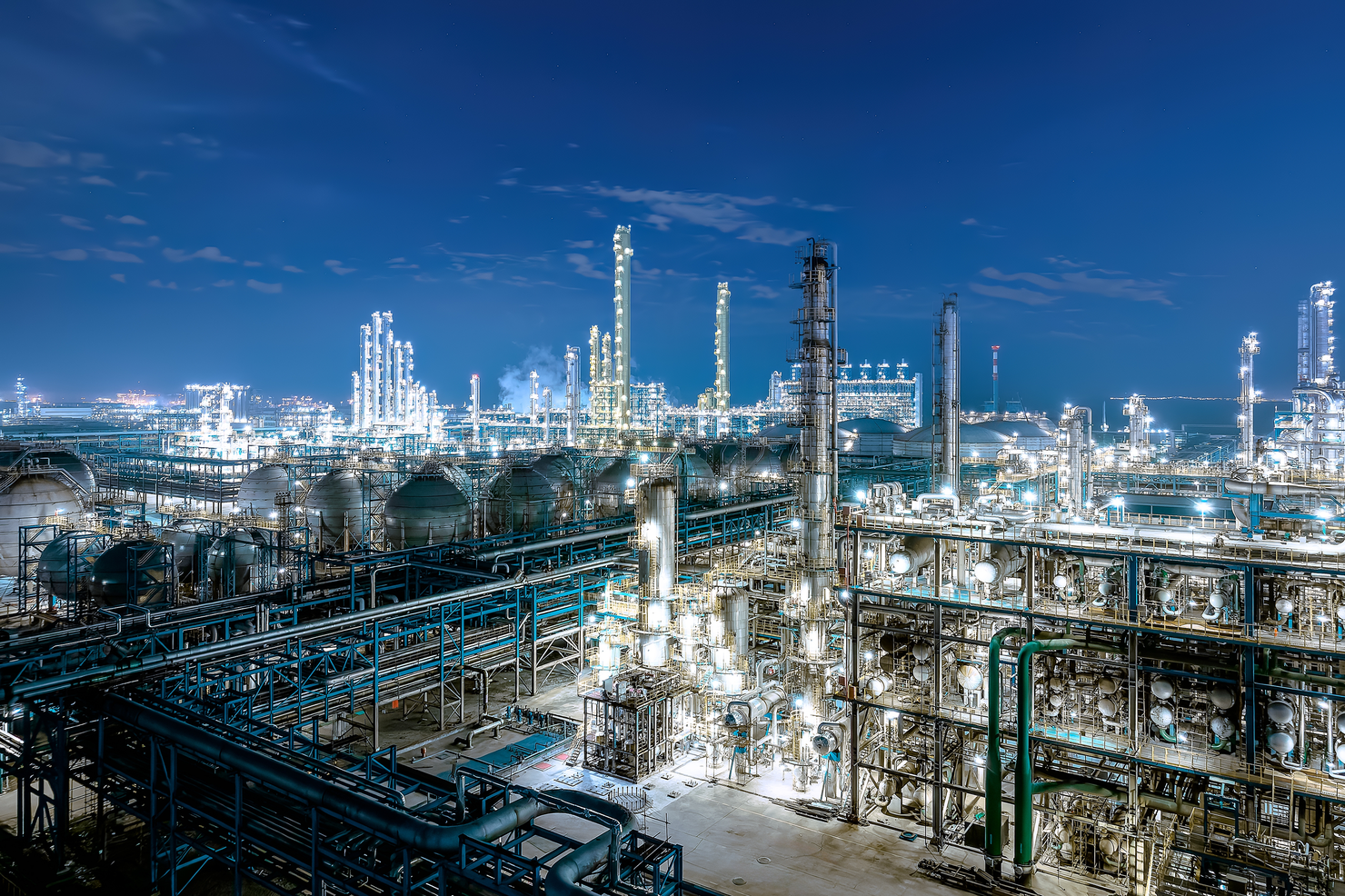
Many of the other challenges that policymakers will face in the years ahead can be characterized as “mid-transition” risks. For example, let’s imagine it’s 2050, and most cars on the road are electric. As demand for gasoline declines, refineries will shutter or shift to producing renewable fuels. But who will produce, distribute, and market gasoline for the remaining guzzlers? Refineries, pipelines, and other pieces of petroleum infrastructure need to operate within certain parameters to remain economically and physically viable. Once throughput falls below a certain threshold, it will become impractical or even dangerous to continue operating certain types of infrastructure. Who will ensure that these enormous pieces of equipment continue to operate efficiently and safely?
These risks are not theoretical. The other week, I spoke with a union representative for refinery workers in Southern California. When one refinery announced in late 2024 that it would close near the end of 2025, roughly a third of its workers left to find new jobs at nearby refineries. Now, the remaining staff are working 12-hour shifts every day, with just one day off every four weeks, increasing the risks of accidents which—at an oil refinery—are major causes of concern.
Credit: dongfang / Shutterstock
Another challenge relates to the many workers and communities whose economic well-being relies on producing, refining, transporting, and using fossil fuels. Although community leaders and policymakers understand the broad principles for how to support these people and places, the details of how to design and implement policies require a great deal of additional research and policy development.
Each of these mid-transition challenges will require not just new research, but coordination among the research community, policymakers, industry, community groups, and more. Insights derived by scholars will need to be translated and delivered to key decisionmakers in local government, corporate boardrooms, and Tribal nations across the United States. (To toot our own horn for a moment, this is one area in which Resources for the Future excels, serving as a bridge between the research and policy communities. One example is our work as part of the Resilient Energy Economies initiative.)
What’s Next
Delivering effective climate policy in this post-1.5˚C era requires policymakers, researchers, and advocates to honestly assess the feasibility of achieving ambitious climate targets, acknowledge past failures, and learn from successes. To make progress, the research and policy community will need to act on these challenges, identify those that remain, and work harder than ever to craft viable solutions for our complex and ever-shifting landscape.