In this Q&A, four experts from Resources for the Future discuss how affordability concerns color discussions around electricity, household bills, insurance, and climate policy.
Affordability is at the forefront of policy conversations in 2026. In this Q&A, Resources for the Future (RFF) researchers Jesse Buchsbaum, Dallas Burtraw, Yanjun (Penny) Liao, and Carlos Martín discuss how they think about causes of and solutions to affordability concerns across household finances, utilities, insurance, and climate policy—and that solid environmental and climate policy will center households costs rather than consider affordability as an afterthought.

Resources: In your research, what do affordability concerns look like? Are these concerns reflective of short-term shocks or long-term trends?

Jesse Buchsbaum, Fellow
Retail electricity prices are getting more expensive. But if we adjust for inflation, it’s a more nuanced story that varies by region. From 2020 to 2024, we saw prices that increased faster than inflation in the Northeast, Mid-Atlantic, and Pacific Northwest. In other parts of the country, prices generally increased slower than inflation or at the same rate as inflation. In 2025, though, price increases were more widespread across the country. Recently, a lot of this price trajectory has been driven by the cost of generating power and volatile fossil fuel prices, which are affected by global events.
What’s more concerning are longer-term trends. A lot of the United States’ transmission and distribution infrastructure was built in the 1960s, so a lot of it needs to be upgraded, and those upgrades need to come while electricity demand and natural disaster risk is rising.

Yanjun (Penny) Liao, Fellow
In the case of insurance, it is widely documented that homeowners insurance premiums have been increasing rapidly across the country. According to a report from the Federal Insurance Office, the national average premium per policy has grown 8.7 percent above inflation between 2018 and 2022.
The increase reflects a couple of factors. For example, the cost of construction materials has been increasing for a while now, and it’s unclear whether costs are going to go down. Reinsurance costs have increased, and that is partly because disaster damage has increased quite dramatically in recent years and likely reflects a long-term structural trend.

Carlos Martín, Vice President for Research and Policy Engagement
Housing is the most unaffordable it’s ever been for both homebuyers and homeowners, but particularly for renters, who are extremely cost burdened almost everywhere in the country. This cost burden has been a trend over the last 30 years, primarily because of the lack of sufficient housing supply to meet the demand of a growing population with very different needs. Added to this lack of housing is the increase in other housing-related costs linked to issues that Jesse and Penny track. People no longer have enough money for things like health care, grocery bills, their kids’ education, and basic additional money for their families. All those things are getting pinched for a wide variety of macroeconomic reasons, as well.
How does climate change fit into the conversation about affordability?

Dallas Burtraw, Senior Fellow
How people perceive the world affects their sense of economic well-being. People aren’t confident in the stability of future income, energy prices, and housing availability. All of us are affected by a changing climate, but especially modest-income households—these households are the ones that may not have access to air-conditioning and are vulnerable to severe weather events. What’s in the air is a feeling of uncertainty, which is amplified by climate change.
JB: First, there’s the question of how we can achieve deep decarbonization. In the electricity sector, deep decarbonization requires two things. One is widespread, clean generation of electricity, and the second is electrification of buildings and vehicles. It’s really difficult to achieve widespread electrification if retail electricity prices are high—the investments aren’t worth it for households and businesses.
I also think about the rising risk of natural disasters because of climate change—we see this manifest as fires in the West, hurricanes and flooding in coastal communities, and winter storm risk. Natural disasters threaten grid infrastructure and require more investment in the grid. It takes money to mitigate and adapt to those events and make sure that grid infrastructure is resilient when natural disasters occur.
PL: Some regions and communities are hit harder by natural disasters than other places. If you look at the increases in insurance premiums, they are not uniform. Some of the highest premium increases are in the southern Great Plains, but we’re also seeing large increases in coastal and wildfire-prone areas. If you map out where climate-related disaster risk is highest, and overlay that with insurance outcomes, you will see a correlation.
We have upcoming research on this. We looked at ZIP code–level data and tried to look at how insurers respond to previous years’ storm-driven losses when setting premiums. And we find a direct, measurable feedback where, if a ZIP code is hit hard in previous years by storms, the insurance premiums will go up faster. This effect compounds with increasing development in risky areas, as well as other cost pressures like high construction costs.
CM: A lot of places are at high risk of sea level rise, so we’re restricting development in certain places. But limiting housing stock in one place without commensurate housing development nearby, at a time when we need more housing, is going to increase housing costs in the longer term. But most policy proposals do only one or the other. For example, bills right now are being discussed in places like New Jersey, under progressive leadership, allowing for new development in some of these high-risk areas, because they need the housing to be built. These approaches act like we can’t walk and chew gum at the same time.
What are some short-term and long-term solutions that could help ease affordability concerns?
JB: Affordability is a really, really challenging problem in the electricity space. We need utilities to spend capital to improve the grid in the near term; otherwise, there’s going to be serious risks for grid resilience and potential for blackouts in the long term. Doing those improvements is costly, so navigating what are the necessary improvements and what can be saved for later is really challenging.
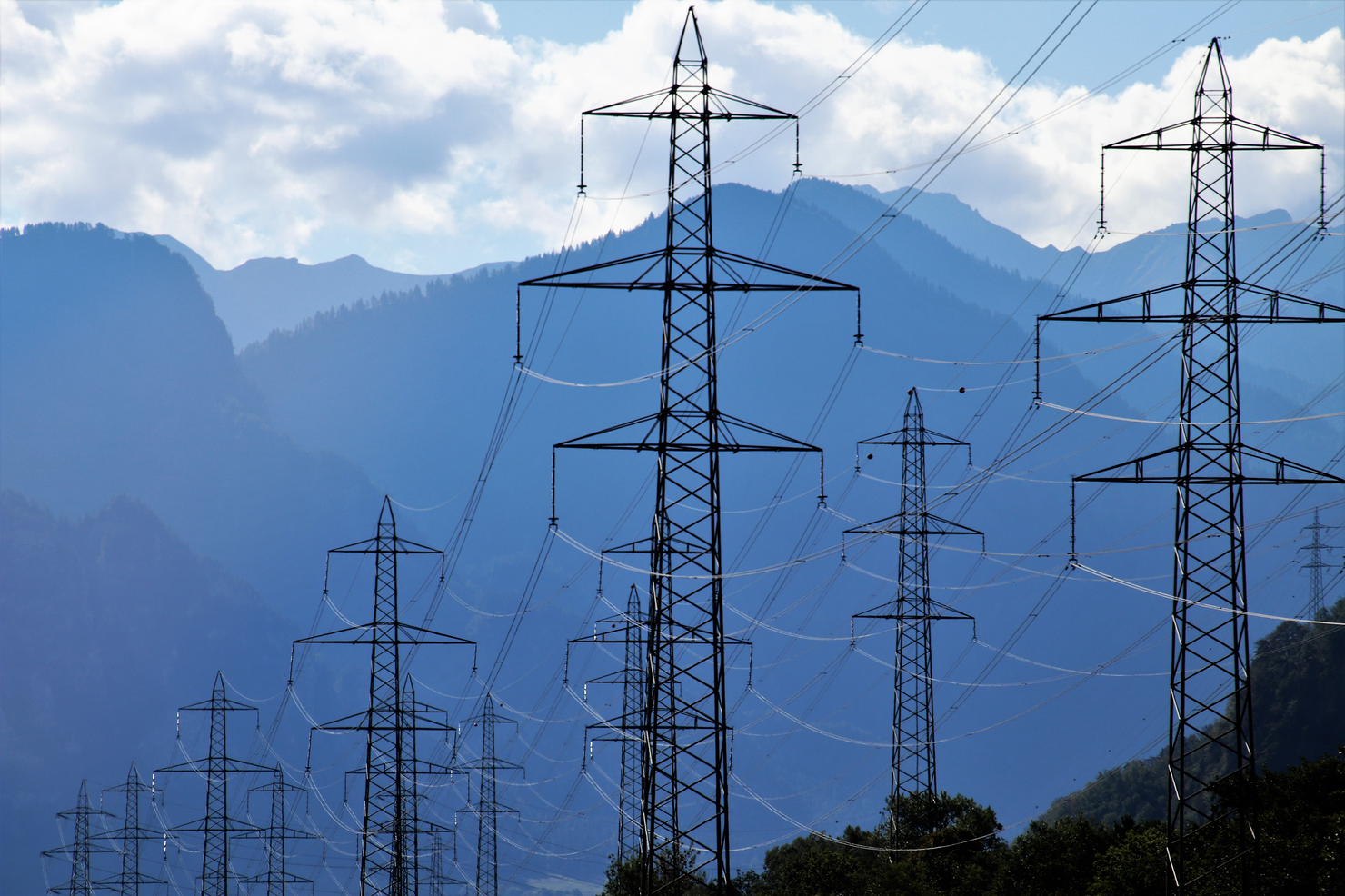
There’s been a lot of conversation about freezing retail electricity rates in places like New Jersey, which economists are generally skeptical about because rate freezes mitigate the price signal that tells consumers to use less. These freezes also can push costs down the road, which could lead to a larger spike in electricity prices at some point in the future.
While New Jersey didn’t do a rate freeze in the traditional economic sense, it did send bill credits to customers to offset any rate increases that are going to occur due to some of these long-term factors that are driving up rates. My perspective is that that’s a less risky way to insulate customers from some of these rising prices.
Credit: Sherii / Shutterstock
Another short-term solution is to cut other utility programs to pay for grid costs. Maryland, for example, is attempting to offset higher electricity costs with cuts to other programs, particularly energy efficiency programs. This strategy can be helpful for short-term bill relief, but energy efficiency programs tend to reduce costs in the long term.
We also need solutions to mitigate some of these long-term upward pressures. One category of solutions is cost containment; for example, by improving interconnection and permitting processes so that we can build things faster and more efficiently. A lot of policies fit into the cost-containment umbrella.
Another category of solutions is ensuring that the right people are paying for needed costs on the grid; for example, ensuring that data centers pay a fair share of their grid costs. Innovative ideas are being proposed in a lot of states, including Ohio and Virginia.
DB: I’d like to emphasize what Jesse says about reducing demand when prices are high and wanting to promote electrification. Those two ideas are very important to connect because, as states are beginning to move toward pricing that reflects scarcity on the grid at a given moment in time, higher prices provide an incentive for energy users to reduce demand. This pricing dynamic will be especially relevant for data centers and how they respond, or else pay for, the kinds of demand they put on the grid at times when the demand for electricity is already very congested. At the same time, by expanding electricity use and spreading the fixed system-level costs of the grid, demand from data centers could help reduce electricity prices overall and help promote the use of electricity.
CM: Across these sectors, we see this tendency to address up-front costs with quick fixes rather than think about the long-term affordability challenges that could occur and could benefit from well-thought-out policy—policy that provides multiple benefits for many constituencies. So many of the solutions being proposed by state policymakers on affordability questions related to energy bills and insurance bills are very similar to things that have been happening in the housing world for the last hundred years. Things like rent freezes, for example.
In the housing world, we know that it costs a lot to build and retrofit houses so that they can withstand climate pressures. We haven’t invested in giving assistance to low-income people and affordable-housing developers, or helping middle-income people retrofit their homes to the point that they can have some safety; enjoy some protection; and, in theory, reduce their insurance premiums and energy bills.
Long-term solutions really come down to reducing the underlying risk—climate change.
Yanjun (Penny) Liao
The reality is that a lot of these activities have short-term costs but can have long-term benefits. When you’re building a house that’s resilient to the effects of climate change or to energy market shocks, the construction costs may be incrementally higher because it costs more to buy a certain technology or include a given amount of insulation. But in the longer term, such measures are going to do things like reduce the net cost of a household’s bills.
PL: In the insurance space, short-term fixes are particularly difficult. The reason is the inherent tension with how fast insurance premiums grow, how available insurance is, and how the actual cost of coverage is increasing because of rising construction costs and disaster damage.
Policymakers can provide tools that make it easier for consumers to navigate the market to find and compare insurance providers; improve residual market plans, which are the insurers of last resort for households that cannot find insurance on the regular market; and make data more transparent so that regulators can track where problems are.
Long-term solutions really come down to reducing the underlying risk—climate change.
How interconnected are these issues?
CM: When we’re talking about affordability, we often forget the denominator. All these costs are coming out of a family’s checking account, and incomes are not increasing. It’s a question of poverty—a lack of income connects these issues.
JB: And this is something we need more research on. Where do energy costs sit in the household financial portfolio? How do households trade off between energy costs and other types of expenses, including things like insurance and taxes? In the presence of extreme events and rising temperatures, those relationships might change, too, and understanding that dynamic is critical.
Natural disasters and electricity are highly related. We’ve seen in California the reason that energy costs are so high is because wildfire costs are high. Wildfires are also causing the rise in insurance premiums. We’re seeing this trend in other places, too, with flooding and hurricane damage.
What’s the government’s role in addressing affordability issues?
DB: We’re not going to see leadership on these issues from the federal government over the next couple of years, at least not in a way that addresses the problems we’ve articulated here. So that means that state and local governments are going to play a prominent role.
CM: States have jurisdiction over many areas related to energy, insurance, and adaptation. States have a critical role in thinking of innovative policies to start moving things forward.
PL: Insurance is regulated at the state level, so state regulators can do some innovative things. Ten different states have, for example, mandated insurance discounts for wind-resistant roofs and fortified homes. These kinds of policies can potentially incentivize households and communities to actively adapt while reducing insurance costs.
JB: Electricity utility companies are the ones that make investments, incur costs, and then charge ratepayers, and they’re regulated at the state level.
I do think the federal government still has a big role in electricity costs and affordability. The Federal Energy Regulatory Commission, for example, has been figuring out how data center costs should be appropriately allocated to customers.
The federal government also has a role in energy bill assistance and relief, through programs like the Low Income Home Energy Assistance Program (LIHEAP) and the Weatherization Assistance Program. LIHEAP, for example, issued almost $4 billion in bill assistance to low-income households last year and continues to help vulnerable customers afford to heat and cool their homes.
How can research improve decisionmaking on affordability?
PL: Policymakers are trying new approaches to address insurance affordability issues. One of the most valuable things researchers can do is evaluate how policy experiments are working.
JB: There’s very little research to understand the impacts on customers of short-term solutions, like bill-assistance programs. At RFF, we’re conducting research to help understand how short-term solutions impact household finances. We also have a research agenda that’s trying to pick apart some of the historic long-term drivers and how things may change in the future. We’re thinking about how to use policy to solve some of the underlying issues that drive high electricity prices.
DB: Another question in RFF’s domain is the bifurcation between the role of markets and the role of planning. This issue gets beyond just the affordability question. History shows a lot of success and a lot of limitations in relying strictly on markets or strictly on planning. Going forward, we need to do some research about the institutional approaches that are going to create hybrid cooperation between the private sector and regulators that can lead to smart outcomes.
CM: Part of the challenge is that we’re creating short-term transition plans that aren’t research based. We need to keep our eyes on the prize. The whole point of research is to make decisions based on evidence. We have a preponderance of evidence in the areas that we’ve talked about, and scholars like Jesse, Penny, and Dallas who are at the forefront of their fields. The whole purpose of RFF is to provide sanity to policymaking, and that mission gives meaning to the rigor of our work.