The federal government’s focus on price guarantees for critical minerals is problematic given the potential costs, even if the guarantees do boost domestic mineral production.
China’s dominance of the market for rare earths, a subset of critical minerals fundamental for many advanced technologies, is framed in Washington, DC, as a supply-chain vulnerability. Although China has restricted rare earth exports only twice and for limited periods, the perception of risk has pushed US policymakers to seek greater domestic production capacity. The challenge is that rare earths are much cheaper to produce in China than in the United States, meaning US producers would need economic support to compete. Enter: price guarantees.
A price guarantee means the US government commits to purchasing a commodity at or above a set price, or compensating producers if market prices fall below a set price floor. It shifts risk from firms to taxpayers, meaning policymakers and Americans must consider the trade-offs.
Policies that guarantee critical mineral prices, which the United States previously used during World War II, have re-emerged as a serious option over the past two years. In the final months of the Biden administration, the US Department of Energy reportedly considered paying the difference between global market prices and domestic production costs for rare earths. In July 2025, the US government implemented a price guarantee through an agreement with MP Materials. The Pentagon took a 50 percent equity stake in the company, committed to buying the company’s domestically produced magnets, and guaranteed a 10-year price of $110 per kilogram for the magnet component neodymium-praseodymium oxide. At that time, the price floor for this particular compound was approximately double the market price, though the market price has since rebounded. In January, President Donald Trump also signaled interest in “minimum import prices” for certain critical minerals.
Persistent mineral price volatility and the high costs of producing and processing rare earths outside of China demonstrate that neither domestic efforts nor isolated investments are sufficient to expand the rare earth supply chain. Recognizing this, the domestic and international rare earths industries clamored for sustained and coordinated market support to advance their supply chains. In response, governments began to turn to coordinated international approaches aimed at reshaping incentives for rare earth production outside China.

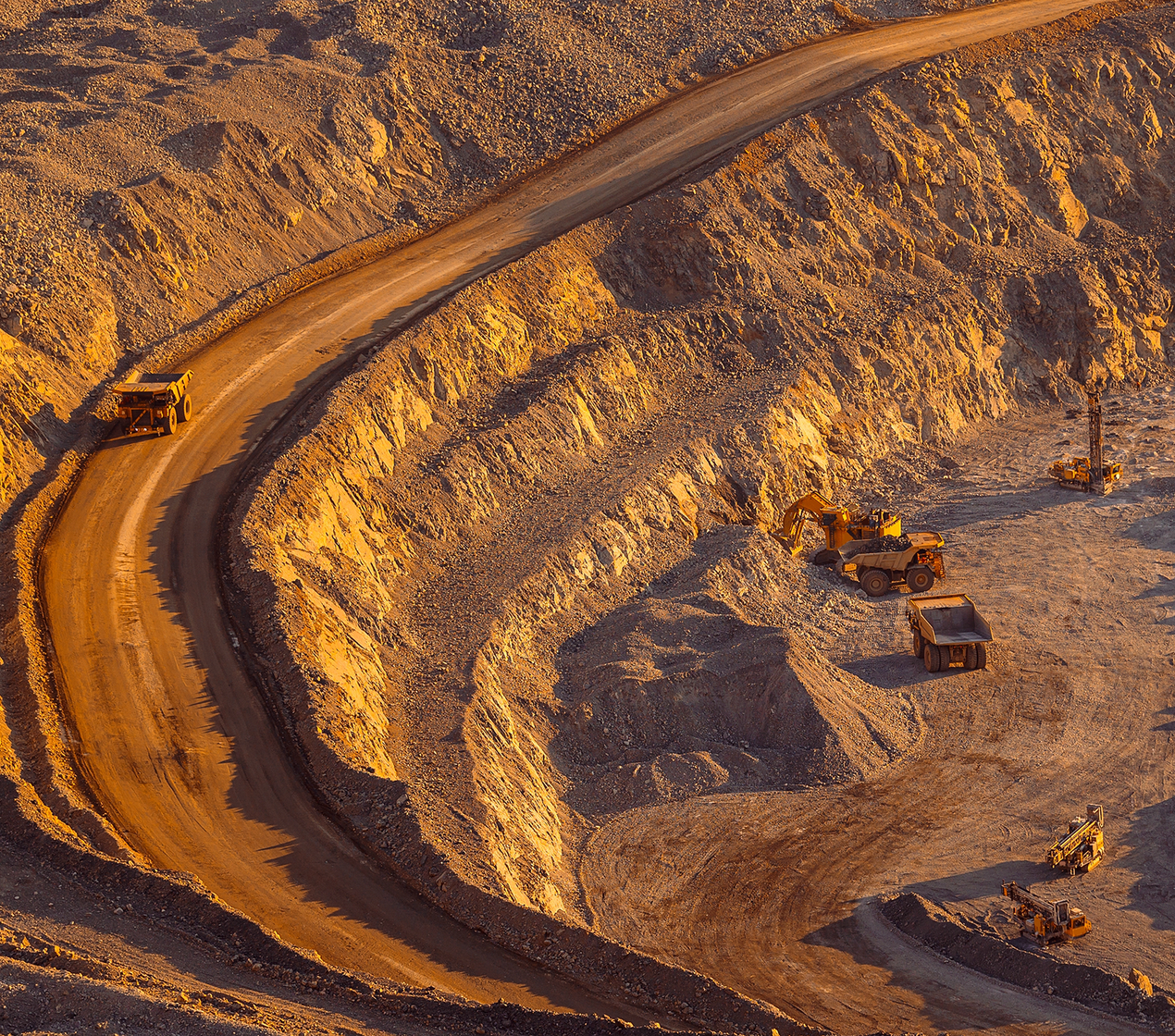
Credit: NamLong Nguyen / Shutterstock
A highlight of this global cooperation occurred in February 2025, when the White House held its inaugural Critical Minerals Ministerial, bringing together representatives from 54 countries “to reshape the global market for critical minerals and rare earths.” At the ministerial, the federal government announced the creation of the Forum on Resource Geostrategic Engagement (FORGE), a collaborative effort among a subset of major mining and technology countries participating in the ministerial. FORGE members include nations such as Argentina, Australia, and Japan; nations with which the United States signed bilateral memorandums of understanding on financing, pricing, and investments related to supply chains for rare earths and other critical minerals.
Though not formalized, discussions at the ministerial were held regarding the creation of a multilateral trading bloc of allied nations (likely the FORGE countries plus others) supported by a price floor.
Yet, creating such a scheme is easier said than done. Indeed, the Office of the United States Trade Representative in March requested comments on the “proposed design of a plurilateral agreement on trade in critical minerals and policy actions to strengthen the resilience of critical mineral supply chains.” The request itself underscores the difficulty of designing a trade and pricing framework capable of delivering investment certainty to rare earth producers without creating new distortions or trade frictions.
The challenges of implementing this framework are broad. For example: Extending a price guarantee across multiple firms or countries complicates coordination. Who would set the guaranteed price, and according to what benchmark? How would governments coordinate if some producers consistently operate above the guaranteed price, while others depend on a steady price to remain viable?
Another challenge is that rare earth projects, such as mining and processing facilities, require decades-long investment horizons, yet price guarantees would depend on sustained multilateral coordination in a period defined by trade disputes and intensifying geopolitical rivalry. A formal trading bloc designed to bypass Chinese supply chains would require long-term buy-in from partner countries and credible enforcement mechanisms, both of which remain uncertain in today’s fragmented trade environment. In its efforts to circumvent China, the proposed trading bloc would likely navigate binding trade rules without established multilateral institutions such as the World Trade Organization, raising the risk of legal challenges, inconsistent trade rules, and retaliatory policy responses from excluded producers.
Furthermore, if price floors are set through coordinated tariffs among allied countries (an option seemingly favored by the federal government), these tariffs essentially raise import prices and narrow the competitiveness gap with Chinese producers. However, such a system would also require sustained cooperation and could invite retaliation from dominant suppliers. Importantly, these tariffs also would create consumer price impacts; in an era of affordability crises, balancing increases in consumer prices with the goals of mineral security is a trade-off that governments will need to consider very carefully.
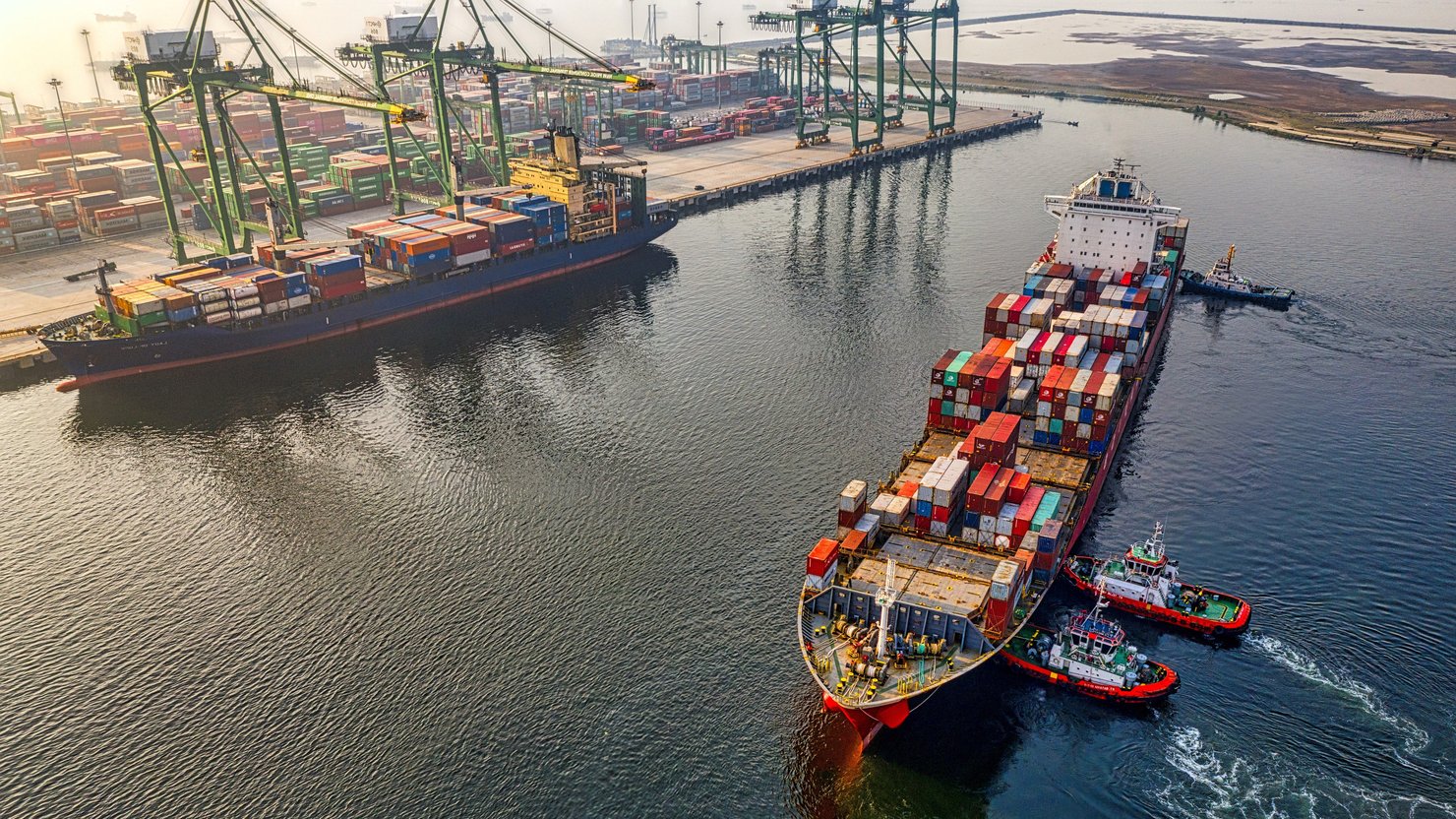
Credit: william william / Unsplash
While the concept of a rare earth price guarantee has gained traction, discussion of how the United States would finance such a policy has remained limited. In February, Vice President JD Vance pointed to the administration’s $100-billion lending authority for critical minerals; President Trump also has announced Project Vault, a $10-billion initiative to establish a US Strategic Critical Minerals Reserve. But how these tools would interact with a price floor remains uncertain. Would the federal government directly compensate producers when market prices fall below the guaranteed level, or would the government purchase and stockpile rare earths at the floor price? Would funding come from existing critical mineral programs, or would the US Congress need to authorize new spending? And how large could the public sector’s financial risk become if market prices remain below the guaranteed level for years? Without clear answers, it is difficult to evaluate whether a price guarantee would be financially sustainable.
Private-sector stakeholders argue that an effective price guarantee for US producers would need to be 10 to 100 times higher than current market prices, implying that a price floor would have high costs. Although different than such a policy for rare earths, a price floor for lithium could cost $7.5 billion. Estimates like this depend on volatile commodity prices and market fluctuations. More in-depth, mineral-inclusive models are needed to better understand the cost.
Once the price tag of this potential solution becomes clear, policymakers must decide whether the risks such policies aim to address will justify the costs. In practice, that decision would be reflected in whether Congress authorizes the necessary spending and whether taxpayers support that commitment over time. Crucially, the risk of a supply shock may only be a short-term price increase, rather than actual reduced access to the rare earths needed for US technologies. Until we have done more research, putting a price guarantee in place right now to boost domestic production may create more harm than good.
Before expanding price guarantees nationwide (or internationally), the federal government should answer basic empirical questions. The Department of Energy, the US Department of Defense, and the US Government Accountability Office should conduct transparent cost modeling under multiple price scenarios. Pilot programs, limited in scale and duration, could test how firms respond to a guaranteed floor without locking taxpayers into decades-long commitments. Independent review panels should assess whether the security benefits of guaranteed pricing exceed the fiscal burden and potential trade retaliation.
Implementing price floors would likely cause drastic changes to the domestic critical mineral market. Policymakers may feel pressured to act in the name of national security, but science-based decisions must chart the path.