In this RFF Supporter Spotlight feature, we hear directly fromdonorsabout their commitment to issues in climate, energy, and the environment and how they make a difference by getting involved with Resources for the Future—all in their own words.
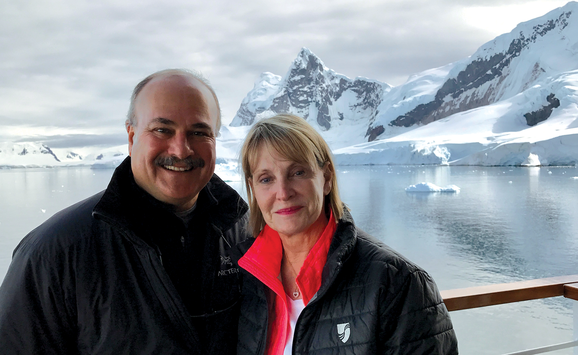
Resources recently spoke with Marion Wittmann, a program officer with the Gordon and Betty Moore Foundation. Originally trained as an aquatic ecologist, she now works in the Wildfire Resilience Initiative at the Moore Foundation, which supports Resources for the Future (RFF) through grant funding. Below are excerpts from the conversation, which ranged from the problem with narratives around wildfire to how an early encounter with an RFF researcher helped shape her career.
Resourcesmagazine:What was youroriginalintroductionto RFF?
Marion Wittmann: I had the absolute pleasure of working with Roger Cooke, a former researcher at RFF who has since retired. Working with Roger was my first interaction with RFF, and it really helped me in my career and in developing my understanding of the importance of uncertainty in science—especially in ecologically focused research.
I met Roger when I was a postdoc at the University of Notre Dame, and we were working on a project to forecast the potential impacts of Asian carp species invading the Great Lakes. Four different species of carp had been introduced in North America as a non-chemical alternative to deal with algae and water quality, but the species started having negative impacts on fisheries throughout the Mississippi River Basin and were making their way up to the Great Lakes.
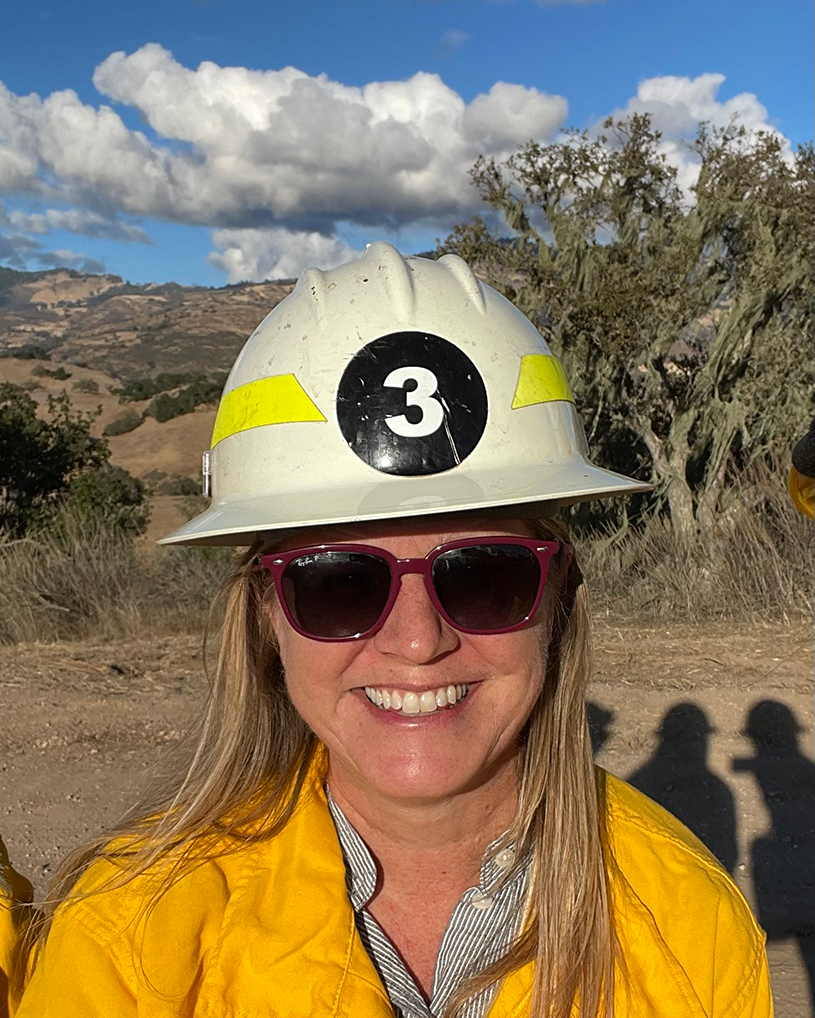
Credit: Courtesy of Marion Wittmann
This was very policy-relevant work: How do you convince land managers or governments to invest in the prevention of an invasive species before it’s there, or before damage has occurred? Roger’s methodology involved acquiring information from experts that not only helped us understand the risks of a species invasion, but also how we should gauge the level of uncertainty around those risks. That work showed me the value of using rigorous methodologies to identify the unknowns and range of variability and, importantly, how to communicate all that information such that managers or policymakers can take action.
I also see this concept of uncertainty in the environmental and conservation space—and the need to quantify it—permeating RFF’s wildfire work.
What stands out to you about RFF’swork onwildfires?
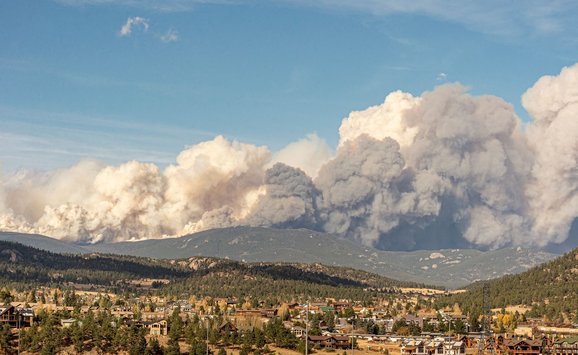
Narratives surrounding wildfires often can be oversimplified. We want to say, “Fire is bad; no fire is good.” But fire is an ecological process—it’s not a failure. The RFF folks in the wildfire space aren’t afraid of the complexities involved. They work hard to bring those complexities into their models. They take the time to acquire the right data to address a topic, and then they bring the information together in a very transparent way.
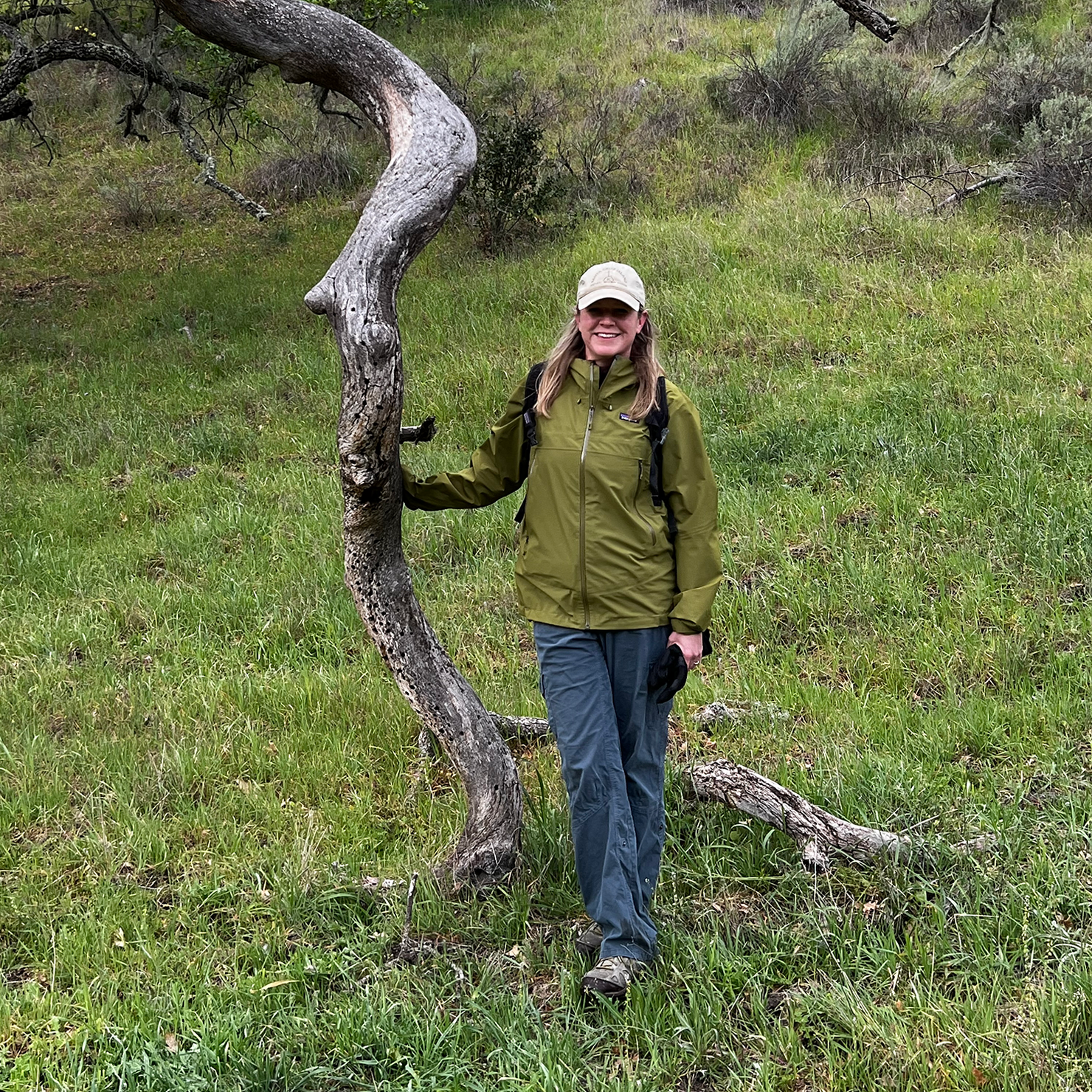
Credit: Courtesy of Marion Wittmann
Wildfire is inherently a systems-level problem. Understanding the complexities—recognizing them, quantifying them, and communicating them—will get us closer to having complete information, so that decisionmaking can be as good, and as informed, as possible.
I see RFF’s contributions as critical to improving our ecological and community well-being in the face of wildfire risk. RFF brings an acknowledgement of that uncertainty, integration of uncertainties in the analyses, and transparency around related complexities.
What do you think makes RFF special?
When I see work that comes out of RFF, I know that it has academic rigor behind it, and I can trust it for that reason. I know that to be affiliated with RFF, the economists and scientists and all the people working there have a background of demonstrated rigor and seek to achieve impartiality in how they approach problems. I find that calming, and their attention to minimizing bias means I can use the analyses and interpretations that RFF produces in any forum I go to.
How would you describeRFF’s value to policymakersanddecisionmakers?
What’s really important is how you simplify complex results and communicate them so that people can understand. RFF does a good job in its written communications of laying out thoughtful analyses and providing digestible information for a wide variety of audiences.
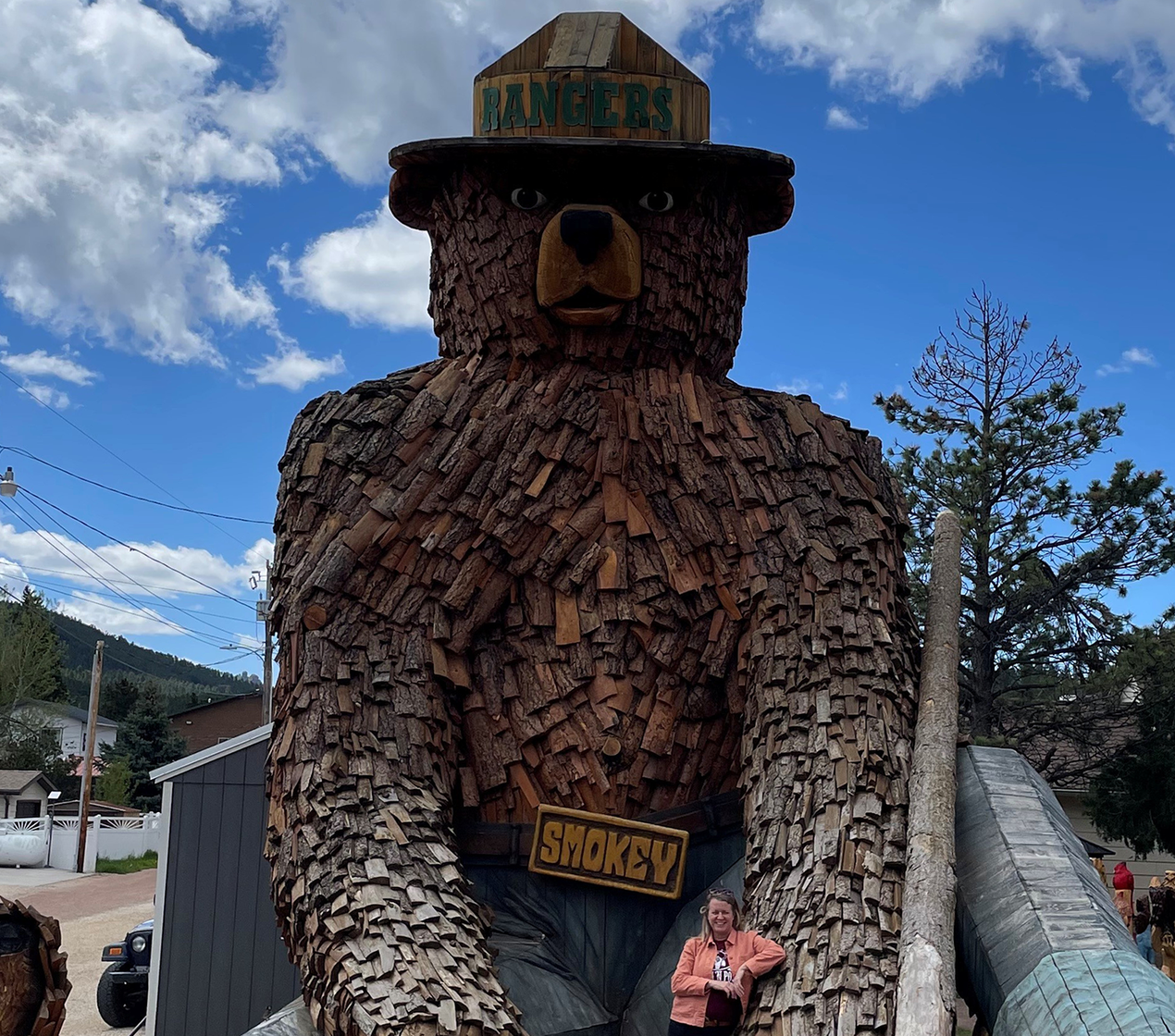
Credit: Courtesy of Marion Wittmann
I believe that there will never not be a need for knowledge about our natural world and our interaction with it. People like to look in the mirror, right? We like to know how things affect us. RFF’s products are valuable because they’re framed around impacts on the ecosystem, how my community will function, how I breathe air, how I drink water—all these kinds of relevant things in our lives. That relationship to how systems are working is something that appeals to anyone who’s responsible for making decisions to benefit people.
Four Ways You Can Support RFF
Give through our website: Visit www.rff.org/donate to make a one-time donation, or to set up a monthly recurring donation.
Give throughthe mail: Send your check to Resources for the Future | 1616 P Street NW, Suite 600 | Washington, DC 2003
Give through a donor-advised fund: Donate through a DAF account at a community foundation or financial institution to support RFF while receiving favorable tax benefits.
Give through a will, trust, or gift plan: Include RFF in your estate plans to provide meaningful, long-lasting support.