Economists need to conduct and translate research that will help policymakers, business leaders, community organizations, and funders create effective climate-adaptation policies so that people can thrive in a changing world.
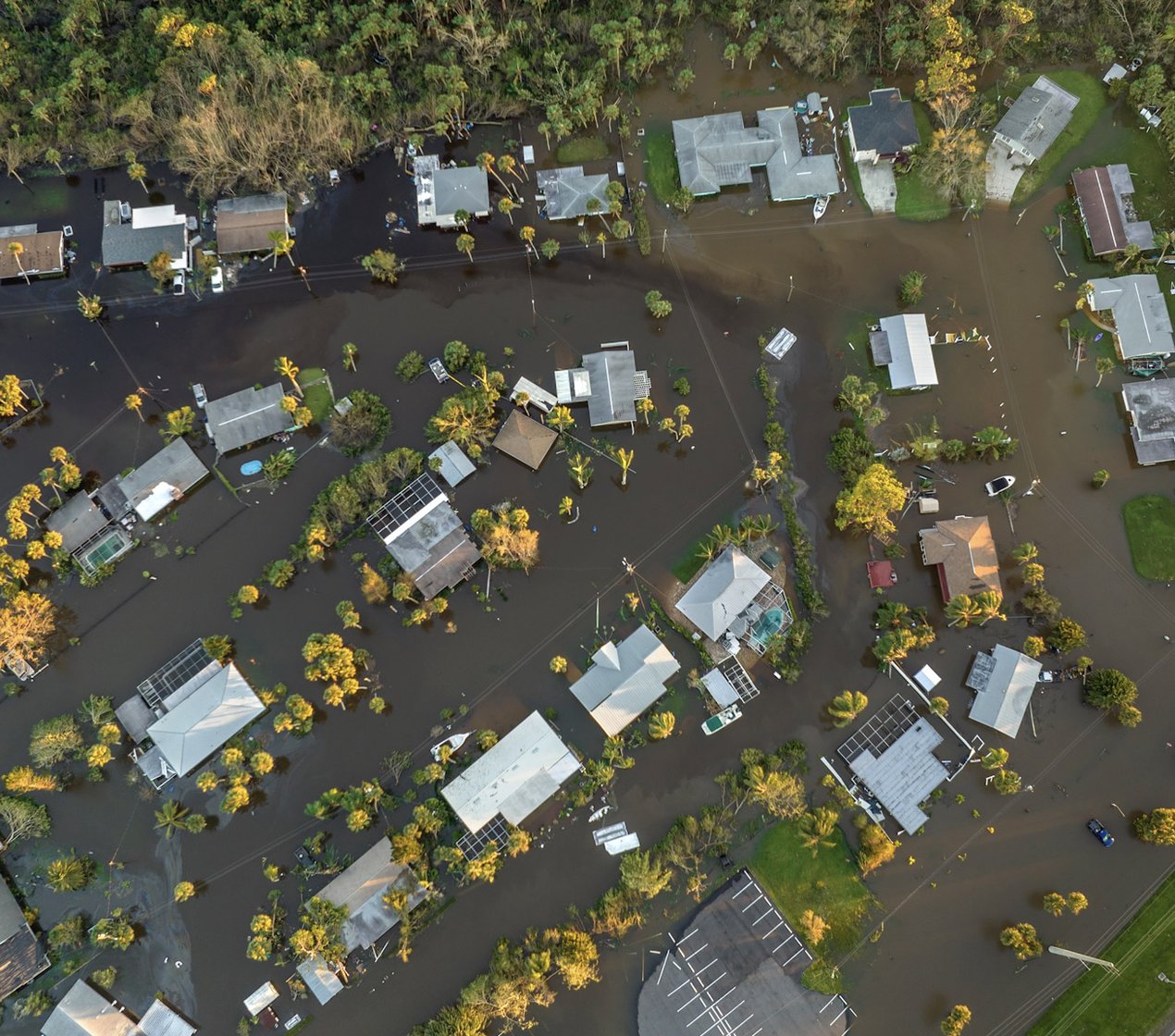
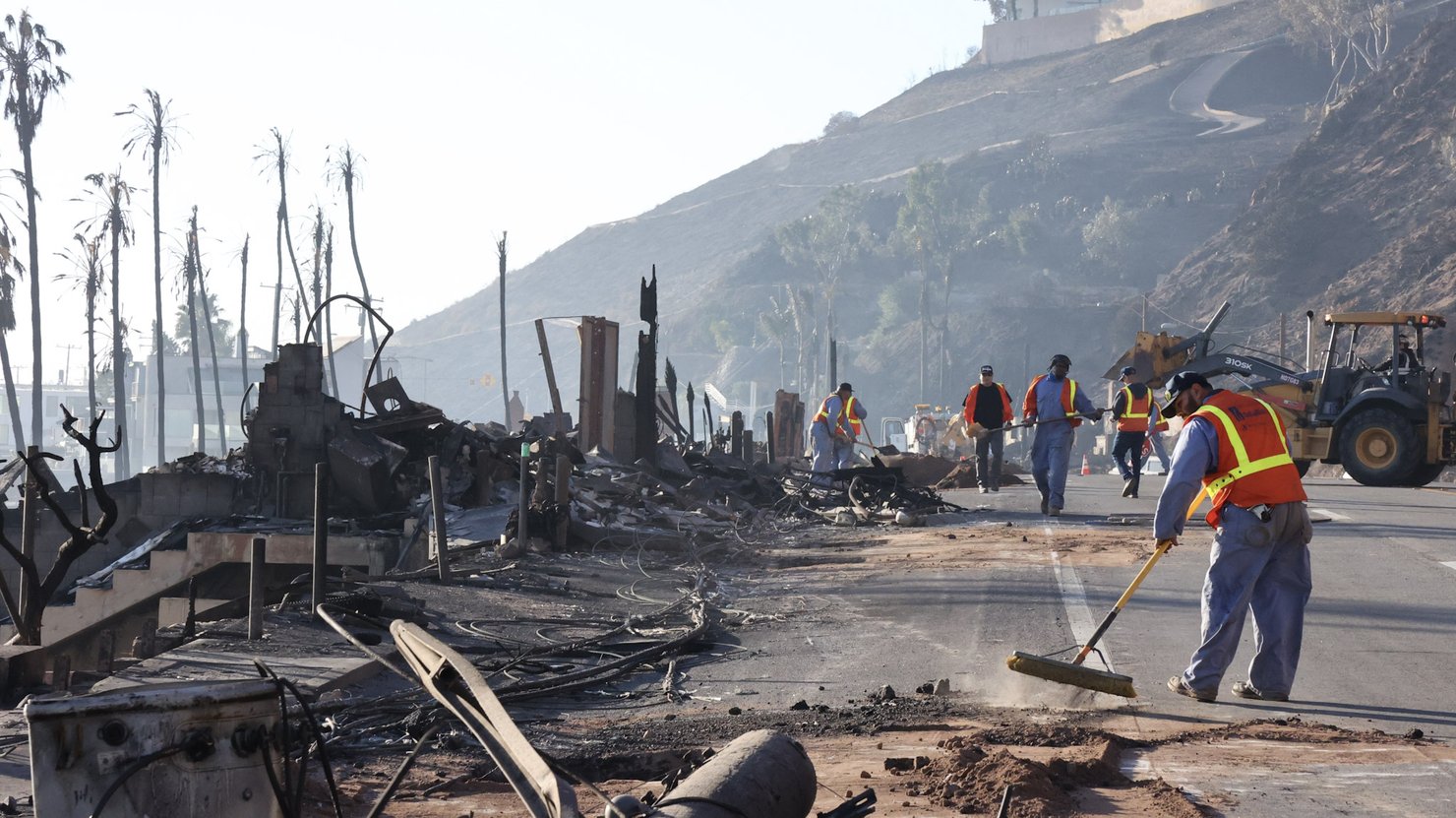
In the United States, the number of billion-dollar weather and climate disasters continues to trend upward, with 23 events in 2025 costing $115 billion. And yet, governments at all levels, communities, individuals, and businesses are likely underinvesting in adaptation, with less than 10 percent of total spending on climate going toward adaptation. This level of public and private spending on adaptation is insufficient to dramatically lower the economic cost of climate-related damages. However, investing in adaptation is economically efficient; a recent report from the US Chamber of Commerce found potentially high return on investment in adaptation and resilience, with up to $13 in avoided costs, damages, and cleanup for every dollar spent.
To date, national policies related to adaptation and resilience have provided direct funding to states and communities, while state and local policies have focused on other financing programs, building codes, and disclosure requirements for climate risks. While these programs provide real benefits, policymakers also could consider market-based programs to create long-lasting changes that will make the United States more resilient to climate change. The use of economic principles to design market-based adaptation and resilience policies, however, is underutilized in the United States, and existing economic studies have provided little guidance for policy. With wildfires, extreme heat, and flooding becoming common occurrences, the time is ripe for economists to bring their expertise in policy design to the growing climate-adaptation challenge.
Economists Can Help Address Market Failures
To understand why economists are necessary in designing sound adaptation and resilience policy, it’s first important to understand that underinvestment in climate adaptation is a market failure caused by several factors:
- Households, communities, and businesses lack information on expected losses from specific climate impacts, which means that they may be unaware of their exposure to physical climate risks and may not understand how to cost-effectively manage those risks.
- Many implicit and explicit subsidies—including federal disaster aid, public infrastructure investments, and underpriced property insurance—disassociate those who bear the benefits and costs of development in high-risk areas, leading to moral hazard and perverse incentives for inaction or even maladaptation.
- Many adaptation measures are public goods that private markets are unlikely to provide at an optimal level.
- Investments in adaptation often generate positive externalities and require collective action from multiple stakeholders.
Well-designed policies can address each of these drivers of market failure. Federal, state, and city adaptation plans lay out aspirational goals for adaptation, but most plans do not explicitly define the policies that will be used to realize those aspirations. Economic principles, including design of efficient markets, can help to formulate policies in ways that lead to efficient outcomes and maximize co-benefits for mitigation and resilience.
Economists also can support policymakers in understanding economic and financial risks if markets abruptly adjust to changes in information and price signals. Similar to how policy, economic, and technological shifts associated with the transition toward a low-carbon economy create financial risks associated with the repricing of certain assets, adaptation strategies that lead to a rapid and disorderly capitalization of climate risks in asset values could trigger widespread market instability. Policies also will need to address the potential for trade-offs associated with adaptation—for example, high use of air conditioning during heat waves could increase pollution and strain the electric grid.

Credit: Rick Barrentine / Getty Images
Policies that address climate-adaptation market failures also could worsen socioeconomic inequality. For example, improving access to information about climate risk or internalizing physical climate risks in market prices may help promote adaptation, but also could result in regressive distributional impacts. Adaptation actions could drive climate gentrification in housing markets, pushing low-income households into high-risk areas as high-income households relocate into less hazardous areas. To avoid these regressive outcomes, policymakers will need to navigate trade-offs between price efficiency, distributional impacts, and short-term market stability, and may need to consider complementary policies to ensure that adaptation does not disproportionately harm disadvantaged groups.
Financing investments in adaptation at the state and local levels can also create new challenges, especially for resource-constrained communities. This is especially true in communities where exposure to physical climate risks is being priced into municipal bonds, increasing the cost of credit that finances investments in climate resilience. Identification of effective funding and financing mechanisms can help catalyze policy implementation. As with carbon mitigation, corporations will be critical players in designing and implementing successful adaptation and resilience policies. The private sector will benefit from both improved resilience and from new markets and opportunities created by the demand for adaptation and resilience technologies and products. In addition, the finance industry may play a complementary or at times adversarial role when it prices insurance or determines where and to whom insurance and mortgages are issued.
Economists and Policymakers Can Create Innovative Policy Solutions Together
Economists have played a critical role in identifying, analyzing, and supporting climate-mitigation policies, helping to understand their costs, benefits, and distributional impacts. Economists and policymakers could look to mitigation policies as inspiration for adaptation policies. For example, carbon-mitigation policies show that allowing for as much flexibility as possible can create efficient policies that keep costs at a minimum. Analogous policies in the adaptation space might include setting targets for risk reduction (e.g., national indoor heat standards) and allowing for innovations to meet those targets. Optimal policies for adaptation and resilience will need to allow for the localized and uncertain nature of changes in risks over time.
Existing (albeit limited) efforts are trying to bring economic ideas and policymaking together. For example, policymakers have access to the Georgetown Climate Center’s Adaptation Clearinghouse, a self-described library of adaptation policies and case studies, and the Federation of American Scientists’ Heat Policy Agenda, which provides examples of how state and local governments are using policies to address heat-related impacts. The National Adaptation Forum and Natural Hazards Workshop provide opportunities for researchers and practitioners to gather and share research and discuss implementation. However, these initiatives fall short of actively bringing together the economic and policy aspects of adaptation and resilience.
Credit: Contributor Films / Shutterstock
A dedicated forum could connect research economists and leaders in industries who may drive adaptation funding and financing (e.g., property and health insurers); those who may benefit or be impacted by adaptation policies (e.g., real estate agents, construction workers, energy and transportation professionals, and tourism workers); local, state, and federal decisionmakers who would design and implement policies; representatives of community organizations who are at the front line of climate impacts, and who will ultimately determine the success or failure of adaptation policies; and adaptation practitioners and professionals (e.g., members of the American Society of Adaptation Professionals). Resources for the Future is well-positioned to be the place that brings such a forum to fruition.
Such gatherings can go a long way toward making sure that economists and policymakers are talking to each other and to other stakeholders who will increase US investment in climate adaptation. Such gatherings ideally would help economists give guidance and recommendations to policymakers, figure out how policy recommendations can be tested by state and local governments, and inform federal policies that can support funding and financing to implement these policies.
Creating an ongoing network for economists and policymakers will also support longer-term opportunities for economists to deliver evidence on what policies are working or not, and how policies can be formulated to maximize benefits to society. The market is the source of both challenges and solutions, and economists need to be in the room where it happens so that those solutions are long-lasting, equitable, and efficient.