The first year of the second Trump administration has led to the loss of climate-related expertise at many government agencies. For a couple of former public servants, Resources for the Future is a new home to continue their work.
Introduction by Carlos Martín
Across the DC punditry and think tank world, the terms “expert” and “thought leader” are used somewhat casually. But we take those labels seriously at Resources for the Future (RFF). The company we keep—including a range of global economic, policy, and legal scholars who offer their wisdom while serving as our university fellows, senior advisors, scholars in residence, and board members (many who have served at the highest echelons of environmental public service and academic institutions)—helps us address the most important policy issues and deploy the most effective analytical tools. Our funders and supporters seek us out because of our nonpartisan and time-tested knowledge. And, of course, the policymaker attention paid to RFF fellows and senior fellows, and the peer-recognized intellectual quality of their work, are the clearest signs of the care that RFF takes with rigor, review, and relevance. These qualities are high bars—which our RFF researchers consistently meet and which humble me every day at the office.
RFF does not hold a monopoly on expertise. In fact, many of our colleagues in the research and policy shops within federal executive agencies have been long-term partners and leaders in their fields. Recent cuts in federal research capacity have had devasting consequences for the nation’s pool of experts. Federal staff are being targeted who have deep experience implementing policies and programs, working with industry, and ultimately driving environmental analysis and policy. The combination of eliminating both programs and capacity not only arrests progress now, but also hamstrings any ability to reestablish programs and policies in the future. Preserving, supporting, and advancing federal functions and expertise in key areas, backed up by economic evidence, is essential to sustaining long-term progress toward a cleaner, more resilient economy and protecting communities from environmental risks and hazards.
Working with partners, RFF is building a home and work plans for key former federal staff and public servants to ensure that critical policy and analytical capacity is preserved and that important work continues. Our two newest senior fellows, Bryan Hubbell and Kevin Stiroh, are part of this effort. It has been a pleasure to integrate their experience and insights into RFF’s current expertise over the past year.

A First Hello
Resources magazine: Can you tell us a bit about your background and how you ended up at Resources for the Future (RFF)?
Kevin Stiroh: I’m an economist by training and spent most of my career in a wide range of roles in the Federal Reserve System, including work as a research economist, market analyst, and bank supervisor.
Most recently, I led a project at the US Federal Reserve on the microprudential risks of climate change. This work included leading the development and execution of the Federal Reserve’s pilot climate scenario analysis exercise in 2024, co-chairing the Task Force on Climate-Related Financial Risks that was established by the Basel Committee on Banking Supervision, and driving analytical work to better understand the potential impact of climate change on the financial sector and the US economy.
I joined RFF in the fall last year with two goals in mind. First, to continue work to better understand how the physical risks and transition risks associated with climate change can impact the financial system and how significant those impacts might be. Second, to leverage those research insights to inform effective policy design and promote a stronger and more resilient financial system. I’m excited to collaborate with others at RFF on these issues.
Bryan Hubbell: I’m also an economist. I started in academia at the University of Georgia but quickly transitioned to the US Environmental Protection Agency (EPA), where I spent the majority of my career.
I held various roles at EPA, such as conducting benefit-cost analyses of air and climate regulations; managing the group responsible for conducting risk analyses for the National Ambient Air Quality Standards and for evaluating the benefits of air and climate regulations; serving as social science advisor for EPA’s Office of Research and Development; and, most recently, serving as the national program director for the Air, Climate, and Energy Research Program. In this last role, I had the opportunity to steer EPA’s research toward a more integrated, interdisciplinary approach that integrated social and physical sciences to develop solutions for difficult environmental challenges.
Credit: Kristi Blokhin / Shutterstock
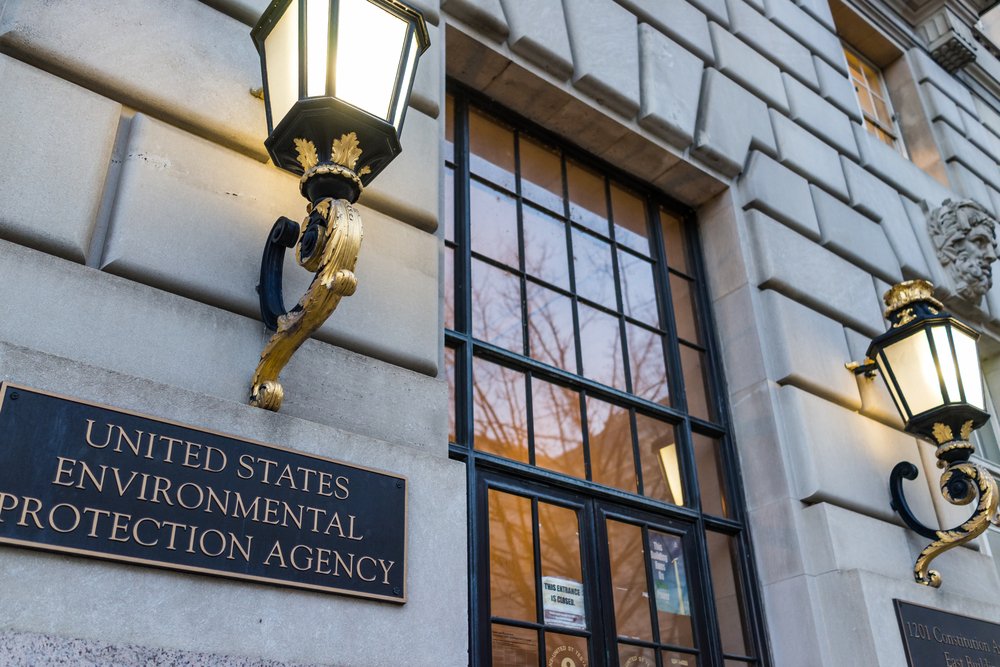
EPA recently eliminated its Office of Research and Development and its Air, Climate, and Energy program, and I decided to leave the agency so I could continue to develop solutions that address the impacts of air pollution and climate change, especially for vulnerable communities. I’ve admired and appreciated RFF for decades, and I’m excited to be able to continue my work with such an amazing group of researchers.
Have you noticed any advantages of working in a nonprofit setting that you haven’t found in a government setting?
BH: RFF provides so many different opportunities to share information about research and emerging ideas and topics. And the speed at which information can be shared is amazing! Within my first three weeks at RFF, I was able to complete and publish a blog post and a report. That would never happen in a government setting. And that flexibility means that I can be much more responsive to current events.
In addition, the ability to connect with stakeholders who can directly use research we generate is much greater while working in a smaller nonprofit setting than as part of a government organization with a large bureaucratic structure and complex rules regarding engagement.
KS: The biggest difference for me has been the set of climate-related topics that are relevant to the institution.
At a central bank like the US Federal Reserve, the focus was always on understanding how external climate-related factors can impact existing statutory mandates and responsibilities related to things like monetary policy, financial stability, or supervision and regulation of individual banks. For example, will the physical risks of climate change impact the safety and soundness of financial institutions through increased credit risk or operational risk? Will climate-related shocks impact macroeconomic variables like productivity growth, the location of economic activity, or relative prices? The focus was not on stopping climate change itself, but rather on understanding the impact on the economy and financial sector.

By contrast, an organization like RFF can have a much broader set of research interests as part of its underlying purpose. As examples, RFF has deep expertise on the evolution of the energy sector, the social cost of carbon, cap-and-trade policies, and broader climate-related strategies and policies. These topic areas are critically important for understanding fundamental issues like the drivers of climate change and developing effective policies to mitigate climate change.
The biggest similarity is the rigor of the work. Ultimately, all types of economic policy require high-quality analytical work that is independent of an agenda or bias. Otherwise, the underlying conclusions won’t be viewed as credible, and any policy steps are unlikely to be durable. My work at RFF will continue to build our understanding of these impacts on the economy and financial sector.
As the current administration is jettisoning much of the expertise that had been housed in the federal government, do you see opportunities for salvaging that expertise in other sectors?
BH: It’s a rare opportunity to bring on board these kinds of expertise that you won’t find anywhere else—taking advantage of opportunities to leverage the experiences and expertise of federal employees who in many cases are the national experts in their areas and certainly know the ins and outs of federal policies and programs better than anyone on the outside.
What are you looking forward to working on, specifically, in your new role at RFF?
KS: I’m very excited about the Climate-Related Financial and Macroeconomic Risk Initiative (CFMRI). I’m the director of this new research collaboration, which is sponsored jointly by RFF and the Salata Institute for Climate and Sustainability at Harvard University, and we have a great leadership team that includes Billy Pizer at RFF; Jim Stock at Harvard; and Bob Litterman, a former member of the RFF Board of Directors.
CFMRI fills a critical gap in the current environment by creating a network that brings together expertise and multiple perspectives from academia, the private sector, the scientific community, and the nonprofit world to achieve three mutually reinforcing goals: deepen our understanding of climate-related economic and financial risks, inform effective policy responses, and grow the research community.
RFF’s mission is predicated on impartial economic research and policy engagement. This commitment is one of the factors that made joining RFF so exciting for me.
Kevin Stiroh, Resources for the Future
The economic and financial impacts of climate change reflect complex issues that are riddled with deep uncertainty, multiple connections/interactions, and feedback effects. Think about insurance-market dynamics across different state-level regulatory frameworks or the allocation of losses from a natural disaster that depends on institutional structures and behavioral responses. In my experience, for complex problems like these, leveraging multiple perspectives will enable us to gain a deeper appreciation of the issues and find better, more robust policy options. That’s why it’s so important to have a broad, diverse set of contributors to CFMRI. Ultimately, this will help promote better policies that will help make the economy stronger and more resilient.
I think this new initiative can add real value, so I’m excited about the work ahead of us.
BH: Given recent announcements by the Trump administration, I see a critical need to “keep the fires burning” on benefit-cost analysis for environmental regulations. I look forward to applying my deep knowledge of EPA’s methods and models for estimating costs and benefits, working with other RFF economists who have decades of experience doing similar research.
As EPA moves ahead with their plans to roll back many of the key regulations that would reduce air pollution from mobile sources, industrial sources, and power plants, the public needs high-quality estimates of the costs and benefits of these actions. And since EPA is moving away from quantifying the benefits of regulations, it will fall on organizations like RFF to provide those estimates so that the public can understand the impacts on their health and well-being.
I’m also excited to move ahead with climate research that I supported when I led the Air, Climate, and Energy national research program at EPA. I see a strong need for building an evidence base for interventions that help communities adapt and become more resilient to climate change and its risks and impacts. I believe that RFF can be a leader in developing an evidence-to-policy framework that can help states and communities build their resilience capacity. We can catalyze these efforts by developing a framework for evidence evaluation and creating a knowledge-management system to collate evidence, which then can be synthesized and shared broadly to inform future decisions for adaptation and resilience.
What opportunities do you see for supporting durable policies that align with your research focus and RFF’s mission of improving decisions that affect the environment, energy, and natural resources?
KS: The key to effective and durable policy is the quality of the underlying research and analysis. As I mentioned, these are complex topics, and the only way to build a consensus that informs policy in a durable way is to have fundamental research that stands up to scrutiny and review over time. RFF’s mission is predicated on impartial economic research and policy engagement. This commitment is one of the factors that made joining RFF so exciting for me. I’ve known RFF for years, so I was thrilled with the opportunity to join.
Introducing Bryan Hubbell
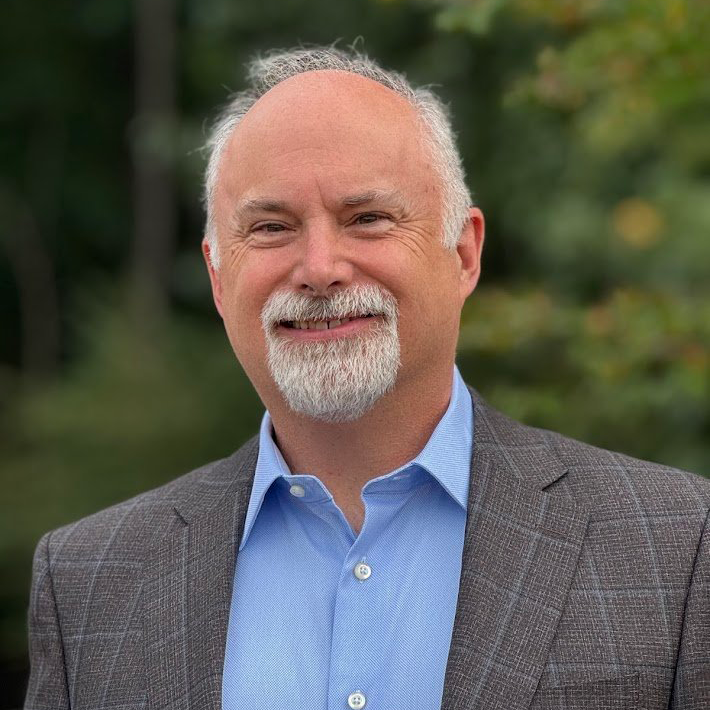
Credit: Courtesy of Bryan Hubbell
What’s possible to accomplish at EPA that isn’t possible to do anywhere else? Can (or how can) those opportunities continue to be leveraged even during times when the agency is less likely to work in alignment with climate goals and public health priorities?
Bryan Hubbell: In my most recent position at EPA, I led the Air, Climate, and Energy national research program. This was a highly integrated program that focused on applying social and physical sciences to the development of solutions that improve air quality, address the causes and consequences of climate change, and protect public health and the environment. EPA is uniquely positioned to conduct this kind of integrated research, able to bring together multiple disciplines and lines of research in the common cause of meeting EPA’s mission to protect human health and the environment. The closing of EPA’s Office of Research and Development and the loss of the Air, Climate, and Energy Research Program is a real tragedy for the American people, and it will be difficult to replicate this type of large-scale, integrated research program outside of the federal government.
You led the development of BenMAP, the Environmental Benefits Mapping and Analysis Program, a tool which helps evaluate the benefits of clean air. Data collection is an important step in observing, monitoring, and evaluating environmental hazards and solutions. Have you noticed any recent trends in the collection and availability of the data that may affect the kinds of work that happens at RFF? Are you looking forward to maintaining and preserving any data sets in particular?
BH: For tools like BenMAP to stay up to date and relevant to today’s challenges, they need to have access to databases like EPA’s Air Quality System, which provides current air-monitoring data. So far, EPA is still collecting and providing air-quality data. However, EPA has removed the environmental justice tool, EJSCREEN, which provided integrated information about exposures to pollution and data on demographic vulnerability. Its absence will make it more challenging for communities to understand and take actions to address inequitable exposures to environmental risks.
Also concerning is EPA’s decision to not collect data on greenhouse gas emissions. Without emissions data, it will be more difficult to track trends in greenhouse gas emissions and know where to direct efforts to reduce those emissions.
Given the unavoidable and increasing risks from climate change (exacerbated by the current administration’s disinclination to decarbonize the economy), an important area of work is developing the data, tools, and analyses to meet the needs of states and cities for evidence-based policies and actions that expand US capacity for climate adaptation and resilience. You have a project in the works to help create state-level plans for adaptation and resilience. This “mayor’s handbook” idea aims to compensate for shortfalls while the federal government takes a backseat in disaster relief and restricts state funding generally. Can you talk more about that project and plans along these lines?
BH: What I’m promoting is the idea that we need to be building an information infrastructure that will generate, analyze, synthesize, and translate evidence into practical, user-responsive recommendations that effectively inform investments in adaptation and resilience.
This type of information infrastructure will include expanding tools like BenMAP so they can evaluate the costs and benefits of climate adaptation, including how an adaptation strategy might improve public health; for example, by reducing heat-related visits to the emergency room. These efforts also will include utilizing artificial intelligence tools to sort through the many different types of actions taken on adaptation and resilience to provide insights about what’s likely to work in a specific geographic or economic context. Many communities don’t have the resources to experiment with unproven strategies. Building this evidence-to-practice system can help such communities make informed decisions and hopefully increase the likelihood of an effective solution. This evidence-to-practice system also can help spark public-private partnerships and support the development of new capacity.
In the interim, I believe that the work RFF does to quantify the benefits and costs of the rollback of key regulations—such as EPA’s endangerment finding, which enabled EPA to regulate greenhouse gases as a hazard to public health—will keep the conversation focused on the health benefits provided by regulations related to climate and air pollution, and the consequences to public health of removing those regulations.
Bryan Hubbell, Resources for the Future
I’ve also been promoting the development of an incubator for innovative start-ups that are engaged in evidence-based adaptation and want to provide adaptation and resilience services and products. Working with the incubator, state and local governments could invest strategically to rapidly scale the implementation of strategies and technologies for adaptation and resilience that are demonstrably effective and beneficial in a wide range of geographic, economic, and social contexts. As these strategies are more widely deployed, they can provide additional evidence in new settings, creating a virtuous cycle of evidence, practice, and more evidence that continually builds our understanding of effective approaches to help communities adapt and become more resilient to the most pressing current and future climate hazards.
All of this will require additional development of state and local policies that can help support capacity building and that will maximize net benefits and minimize negative consequences.
You published a blog post recently about a notable shift in EPA’s approach to benefit-cost analysis that overturns decades of established and peer-reviewed conventions and likely will lead to worse policy outcomes for public health. One of your research priorities is to fill the need for analyses of the costs, benefits, and impacts of federal regulatory and deregulatory actions. How are you hoping to ensure that your work on this will influence policymaking in the short and long term?
BH: In the best case, EPA will realize that their not quantifying health benefits isn’t going to make the issue go away for them, and will return to the peer-reviewed, widely accepted practices that they have used for decades to quantify all of the benefits and costs of regulations. I think this return to best practices will happen in the long term, if not the short term.
In the interim, I believe that the work RFF does to quantify the benefits and costs of the rollback of key regulations—such as EPA’s endangerment finding, which enabled EPA to regulate greenhouse gases as a hazard to public health—will keep the conversation focused on the health benefits provided by regulations related to climate and air pollution, and the consequences to public health of removing those regulations. My hope is that RFF work will prompt EPA to consider those consequences more fully as the agency makes decisions.
Let’s end with a fun fact about you.

Credit: Courtesy of Bryan Hubbell
BH: I like to collect rocks and minerals, and I turn them into custom silver and stone jewelry that I sell at arts and crafts festivals in North Carolina. Working with my hands allows me to free my thinking, and I often get my most creative research ideas after a session in my workshop.
Introducing Kevin Stiroh

Credit: Courtesy of Kevin Stiroh
Not everyone agrees that it’s appropriate for central banks like the US Federal Reserve to become involved in issues related to climate change. In your view, how should a central bank think about climate change? What makes a central bank different from other entities in terms of the issues that are appropriate to consider and address?
Kevin Stiroh: The appropriate point of departure for this kind of discussion is the mandate of the institution. Central banks like the US Federal Reserve typically have many responsibilities, including monetary policy, financial stability, and bank supervision and regulation. To the extent that climate change or climate-related policies can impact those objectives, then it seems appropriate for central banks to do the research to understand those issues.
I spent a large part of my career in bank supervision and regulation, so I’ll focus on that aspect. Banks and bank supervisors are always thinking about risk management. Bank supervisors expect supervised firms to effectively manage all material risks, whether those risks come from business cycles, a cyber-event, or a climate-related shock. Banks need effective risk-management approaches that allow them to continue to provide critical financial services through a wide range of economic and financial conditions.
In this context, it is useful to think about climate change not as a new risk, but rather as a “driver” of existing risks that are part of supervisors’ existing responsibilities. That is, the physical risks and transition risks from climate change can impact traditional banking risks like credit risk, market risk, or operational risk. In that sense, climate change is conceptually no different from other risk drivers, and the key question is how material the impact might be.
The challenge, however, is that these risks are growing and have three distinctive attributes that likely require additional focus and expertise from banks and supervisors. First, the impact of climate change is likely to be wide-reaching and secular, not narrow and cyclical. This type of trend suggests that the long-run business models of some banks will be impacted, and shocks may compound and materialize in new and complex ways.
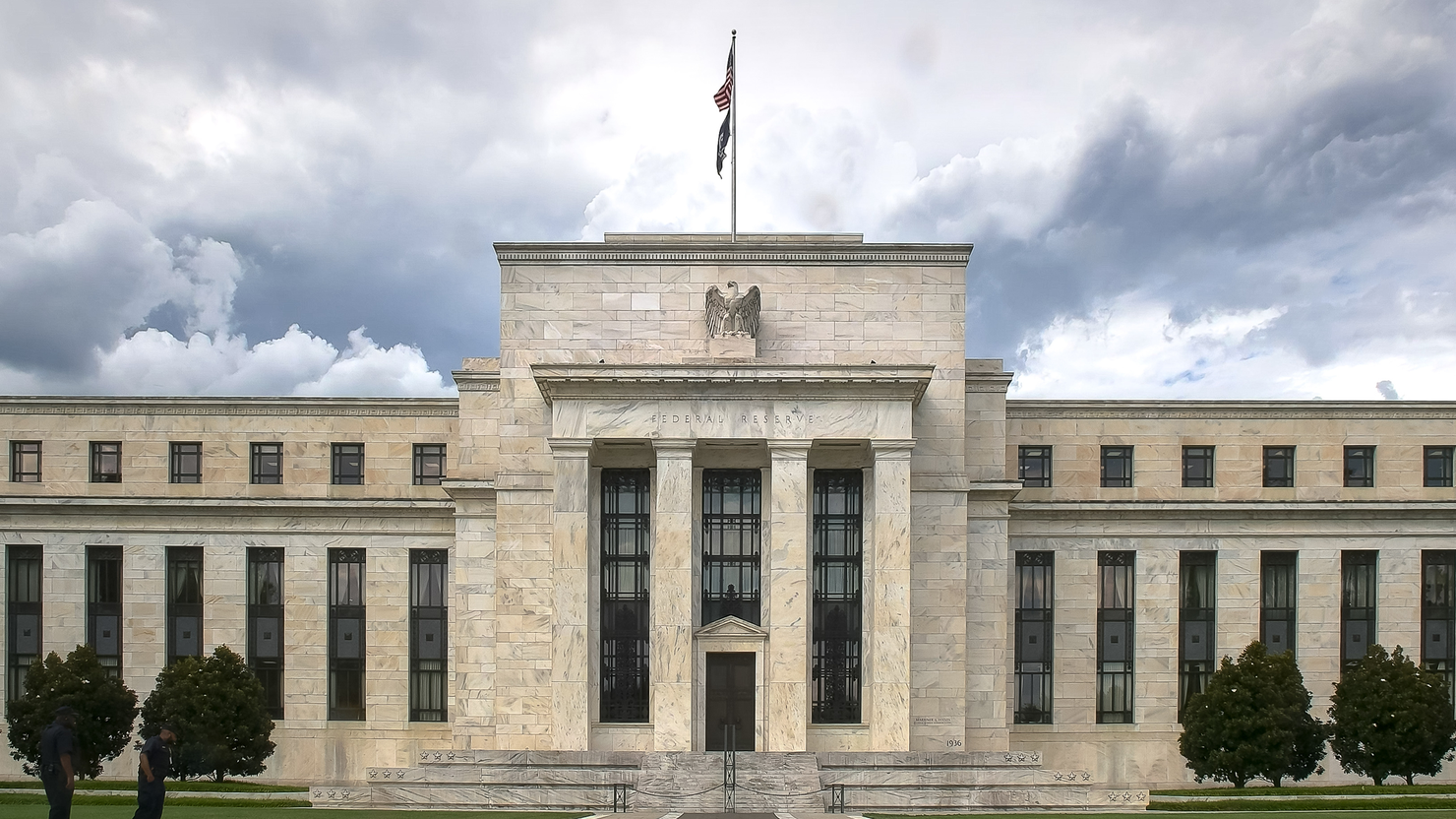
Credit: crbellette / Shutterstock
Second, the financial impact remains highly uncertain in terms of timing, impact across regions and sectors, and allocation of losses. This uncertainty suggests the need for robust strategies and risk-management tools.
Third, the future is unlikely to look like the past as the climate continues to change. Existing approaches are likely to be insufficient, and new tools, data, and expertise are needed.
I think these distinctive attributes make a strong conceptual case for why policymakers should be concerned with the financial risks of climate change within their traditional mandate of safety and soundness.
The first blog post you published at RFF lays out the timeline of a recent peak in conscientiousness by financial markets to the risks of climate change, followed closely by a return to the traditional business as usual, in which financial institutions and coalitions do not consider the financial risks associated with climate-related volatility. What will the future look like for the financial sector and climate risks, in both the short and long term? Do Resources readers need to track any potential implications that may hit closer to home?
KS: These recent changes represent an interesting test for how the US financial system truly assesses the economic and financial risks of climate change.
As discussed in the blog, we’ve seen three phases of engagement within the financial sector over the past few years: early reluctance from 2015 to 2020, narrow engagement from 2021 to 2024, and a quick reversal in 2025. This timeline reflects various factors, including the external policy environment, shifts in risk sentiment, and changing views on the materiality of certain climate-related risks.
Altogether, I will continue to look at what the financial sector does—more than what it says—as the best indicator of their approach to managing climate-related risks.
Kevin Stiroh, Resources for the Future
From my perspective, we now are in a kind of natural experiment for the financial sector. As regulatory, supervisory, and investor pressures recede, financial institutions are left with business drivers that incorporate the risks and opportunities related to the financial risks of climate change. That is, financial firms will continue to invest in the data, models, and people needed to better understand and manage these risks only to the extent that such investments are viewed as good business decisions that support stakeholders over time.
Looking forward, I think a few other changes are likely. One, I expect financial firms will do more, but talk less, about how they consider climate-related risks. This shift from “greenwashing” to “greenhushing” is apparent in firms’ disclosures and public statements.
Two, I expect financial firms will focus on physical risks, which are being realized already, and less on transition risks.
Three, I expect state and local policies will continue to incorporate climate-related risks (e.g., state-level incentives for adaptation) even as federal policies pull back from proactive, preventive policies.
Four, I expect that financial firms will focus squarely on their own risks and opportunities with their clients, with less discussion of broader corporate social responsibility goals.
Altogether, I will continue to look at what the financial sector does—more than what it says—as the best indicator of their approach to managing climate-related risks.
You’ve noted that the link between climate change and banks has reciprocal effects: the impact that climate change has on a bank and the impact that a bank can have on climate change itself. Can you speak to the most salient opportunities, and the most prominent pitfalls to avoid, that stem from this relationship?
KS: This is a topic that comes up quite a bit in international policy discussions, and we should be precise in the language we use to distinguish and consider these distinct but related links.
On one hand, the physical and transition risks of climate change have the potential to drive credit, market, and operational risk at banks. For example, does a growing frequency or severity of a hurricane increase the probability of default on a mortgage held by a bank? Can increased flooding disrupt a bank’s branch network? To me, it is appropriate for financial institutions to identify, measure, and manage these risks as part of their existing enterprise risk-management framework. Goals beyond a bank’s traditional purview aren’t necessary to consider.

Credit: Carlos Yudica / Shutterstock
On the other hand, a financial institution’s activities could, in theory, impact climate change itself. For example, a bank loan to a fossil fuel company, or a renewable energy company, ultimately could impact the amount of greenhouse gas emissions from an economy and thus contribute to the pace of climate change.
The key question is, How should financial institutions and policymakers consider these different links? I think the appropriate starting point is the goal of the entity. Corporations, including financial firms, have responsibilities to multiple stakeholders, such as customers, employees, suppliers, communities, and investors. These obligations do not necessarily include a specific responsibility to internalize the fundamental carbon externality that drives climate change. Similarly, bank supervisors and regulators have a responsibility to ensure that firms manage all material risks—not necessarily to manage the impact of the financial sector on climate change itself.
Keeping the fundamental goals in mind is important when assessing alternative policies. Perhaps the financial sector was seen by some as a lever to change the real economy and achieve public policy objectives such as supporting the transition to a net-zero economy. It is appropriate for elected officials to develop policies that incentivize reductions in greenhouse gas emissions or encourage a transition to net zero—but in my view, it would not be appropriate to try to achieve broad social policy objectives (such as a reduction of greenhouse gas emissions) using the supervisory or regulatory policy of financial institutions, regardless of how laudable those goals might be.
You’re now the director of the Climate-related Financial and Macroeconomic Risk Initiative (CFMRI), a research collaboration that’s dedicated to analyzing the risks that climate change poses to global financial and macroeconomic goals. Can you name some positive outcomes that you look forward to helping CFMRI accomplish?
KS: The goal of CFMRI is to deepen our understanding of climate-related economic and financial risks, inform effective policy responses, and grow the research community. I think we can accomplish all these goals in various ways.
For example, I would like to see CFMRI act as a convening tool for academic researchers, industry participants, and policymakers to build a deep understanding of climate-related financial and economic risks—whether through hosting conferences, coordinating industry workshops, or sponsoring research on specific topics.
I also would like to see CFMRI focus on junior researchers. Starting a research agenda can be daunting, particularly for those with an interest in policy, so I think CFMRI can help build capacity by identifying a policy-relevant research agenda.
Let’s end with a fun fact about you.
KS: My wife is also an economist, and we met in graduate school. She is Canadian, and we’ve made the 350-mile drive to Canada to visit her family over 70 times since we’ve been married—during the day and night, through blizzards and heat waves.

Credit: Courtesy of Kevin Stiroh
And my family (wife and two daughters) and I all have participated in “Spartan Races,” which are essentially obstacle courses for adults. These typically include climbing cargo nets, throwing javelins, carrying large sandbags, and crawling under barbed wire, all with lots of mud and camaraderie. Last year, our extended family entered with team of 10 participants.
A version of this article appeared in print in the Spring/Summer 2026 issue of Resources magazine.